Lahti Nature Forum and Nature Credit Market Day 2026
How the nature credits market can be developed in a fair manner, based on research-backed evidence and through collaboration among various stakeholders? This was one of the questions we explored this week in Lahti, both at the Nature Forum and at the Nature Credit Market Day.

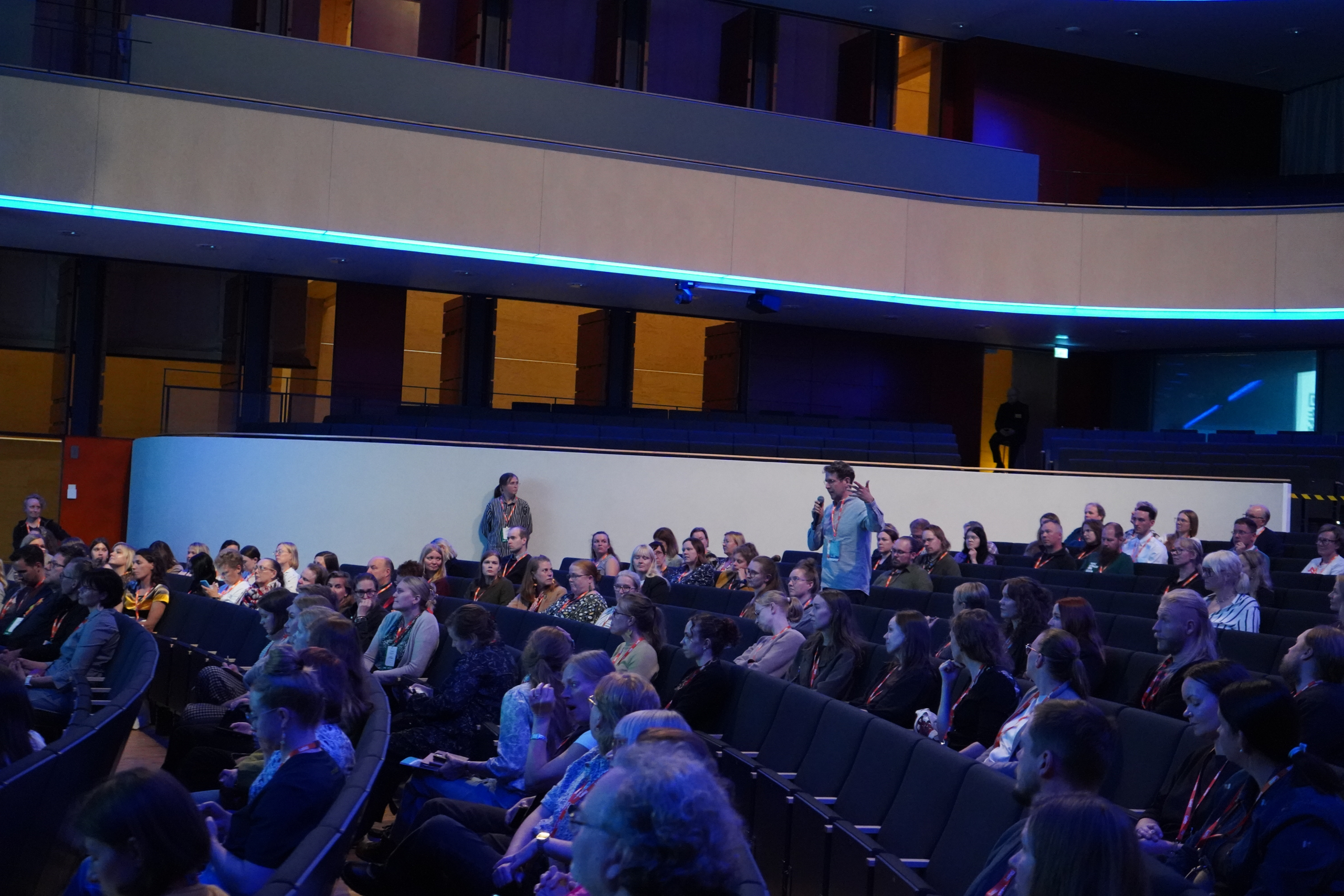
On Tuesday, the Nature Forum’s session titled Toward a Nature Credit Market for the Built Environment focused on habitat types in the built environment, known as RYTYs (Rakennetun ympäristön luontotyypit). BOOST — for which we serve in a role of an interaction manager — organized the session, moderated by Emma Luoma (Akordi), in collaboration with Aalto University, Lassila & Tikanoja, and the The Confederation of Finnish Construction Industries RT; West-Helsinki Light Rail and Senate Properties were also represented. Drawing on research findings and practical examples, we discussed, among other things:
- What is needed to make RYTYs marketable?
- How can mapping RYTYs help strengthen the knowledge base on the state of nature?
- How can converting intensively managed grasslands into hay meadows increase biodiversity?
- How does mapping RYTYs help identify opportunities to enhance biodiversity through property management practices?


On Wednesday, at the Nature Credit Market Day organized by BOOST and The Central Union of Agricultural Producers and Forest Owners (MTK), participants delved into current trends in the nature credit market and ways to strengthen market fairness, which were addressed through a presentation by Liisa Varumo, small-group discussions, and a panel discussion featuring Juha-Pekka Turunen (Akordi), Inka Musta (Luontoa), and Marko Mäki-Hakola (MTK). Several key themes emerged during the discussions, such as:
- Opportunities for different stakeholders to participate
- Fair pricing
- The role of conservation compensation
- Enforceability
- Safeguarding the rights of the Sámi
- Learning from local and international examples
During the panel discussion, our senior expert Juha-Pekka emphasized that, in addition to natural values, it is important to keep in mind the social dimensions related to the use of nature:
“For measures to be perceived as acceptable from the perspective of stakeholders as well, it is necessary to bring together different actors at the local level so that the overall ecological and social impacts can be examined jointly and opportunities for mutual benefits can be identified.”
Throughout the both days, the question of how to build meaningful collaboration among different stakeholders to address these issues came up repeatedly in the discussions. At Akordi, we offer the assistance of an independent party specifically to support constructive dialogue, collaborative problem-solving, and the consensus building of different interests in various issues related to the environment, natural resources, and land use.
Please contact us so we can discuss what kind of support we can offer for your situation!