Tag Archive for: vihreäsiirtymä

Better engagement to foster trust and acceptable solutions in the green transition

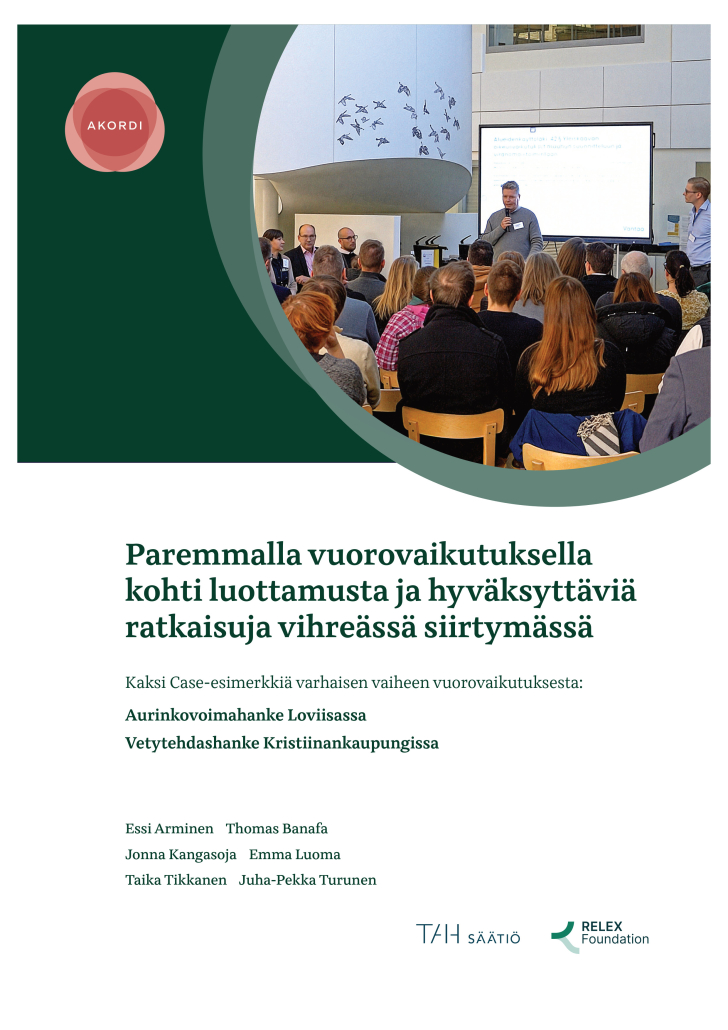
Akordi’s new publication focuses on how to build acceptance for green investments and the transition as a whole, particularly through high-quality engagement timed for the early stages of project development.

The publication provides answers to frequently asked questions:

  • What do the challenges and skill needs of engagement look like from the perspective of field actors?
  • What steps support effective engagement?
  • How could a project developer improve their engagement efforts?
  • How can a municipality improve engagement in the planning process?
  • In what kinds of situations is it advisable to seek the help of an independent facilitator?

In the publication, we also describe two case examples in which Akordi, in the role of an independent facilitator/mediator, has assisted parties in handling challenging situations and defusing tensions: 1) Solar power project in Loviisa – How can EIA procedures address local needs? and 2) Hydrogen plant project in Kristiinankaupunki – Taking nature values into account as part of project planning.

Read the publication (in Finnish): Arminen, E., Banafa, T., Kangasoja, J., Luoma, E., Tikkanen, T. & Turunen, J-P. (2026). Paremmalla vuorovaikutuksella kohti luottamusta ja hyväksyttäviä ratkaisuja vihreässä siirtymässä. Akordi Oy publications.

The publication is part of our Scaling up the work in anticipating and resolving conflicts in the green transition initiative, supported by the TAH and RELEX Foundations.

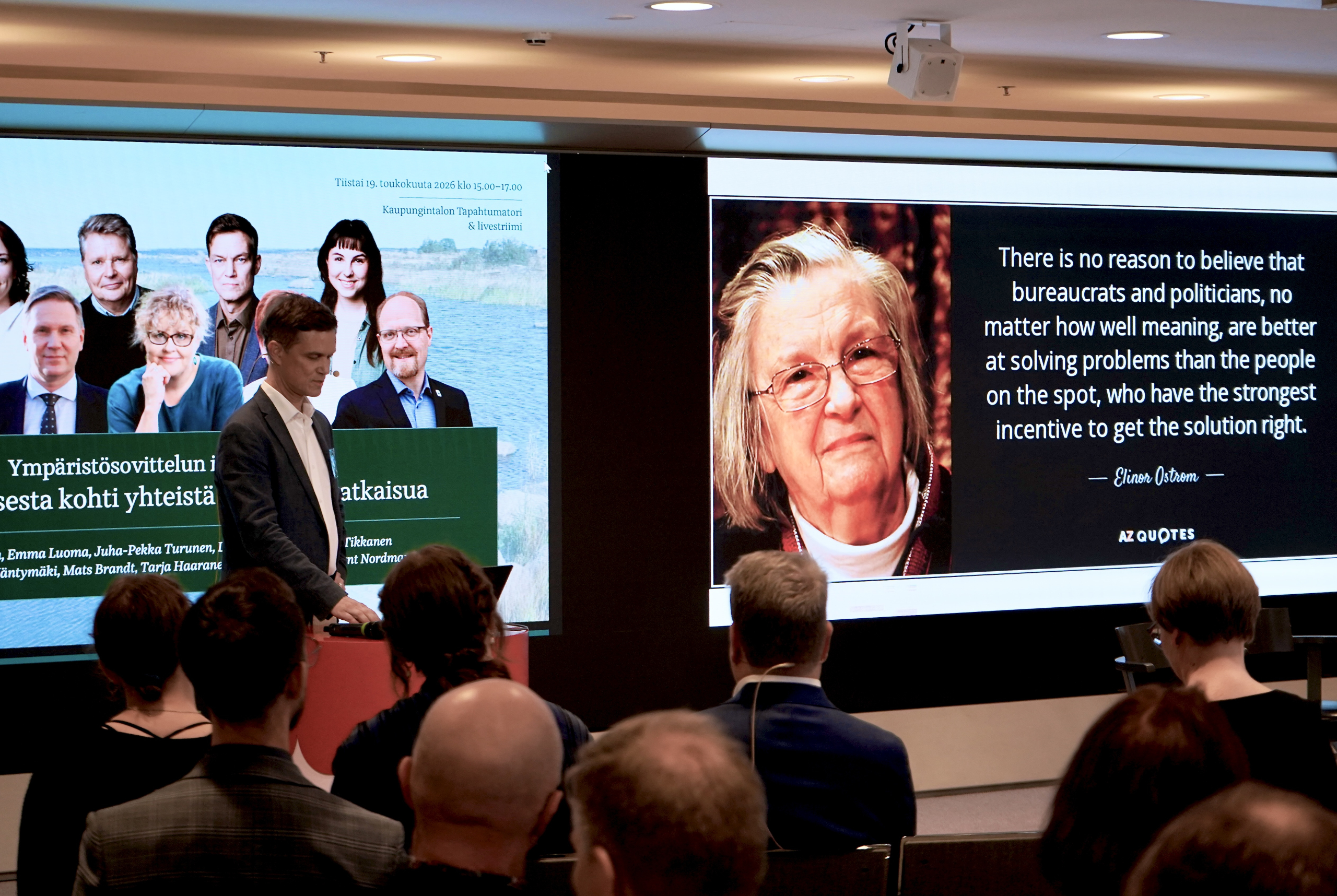
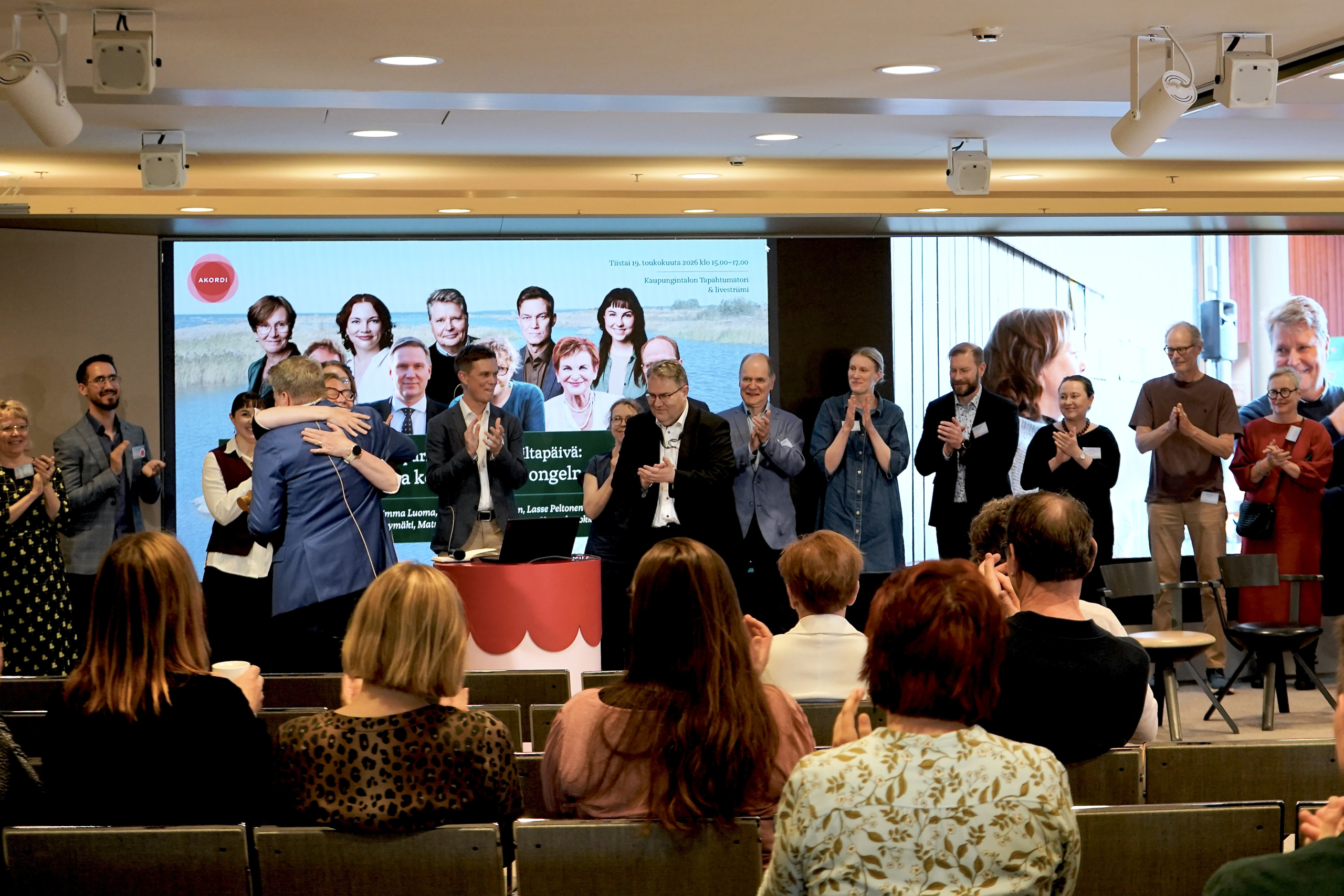
Seminar on the Acceptability of Green Transition Investments brought together nearly 300 participants for a multi-faceted discussion

The event on May 7, 2026 – organized by Akordi, Confederation of Finnish Industries, Finnish Energy, University of Eastern Finland, Association of Finnish Cities and Municipalities, Sitra, and Renewables Finland – provided current perspectives and research findings, as well as practical experiences and lessons learned on strengthening the acceptability of the green transition.

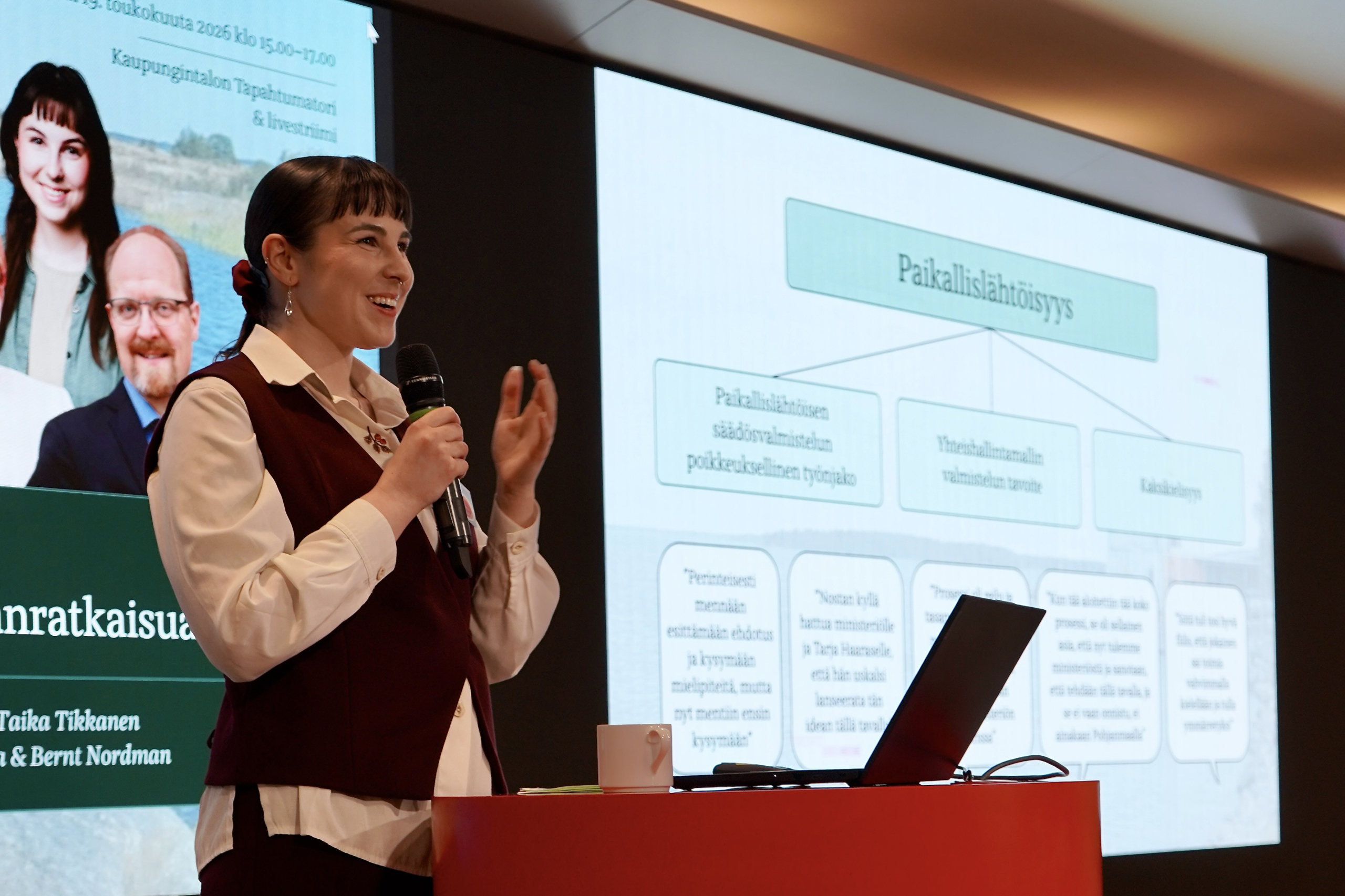
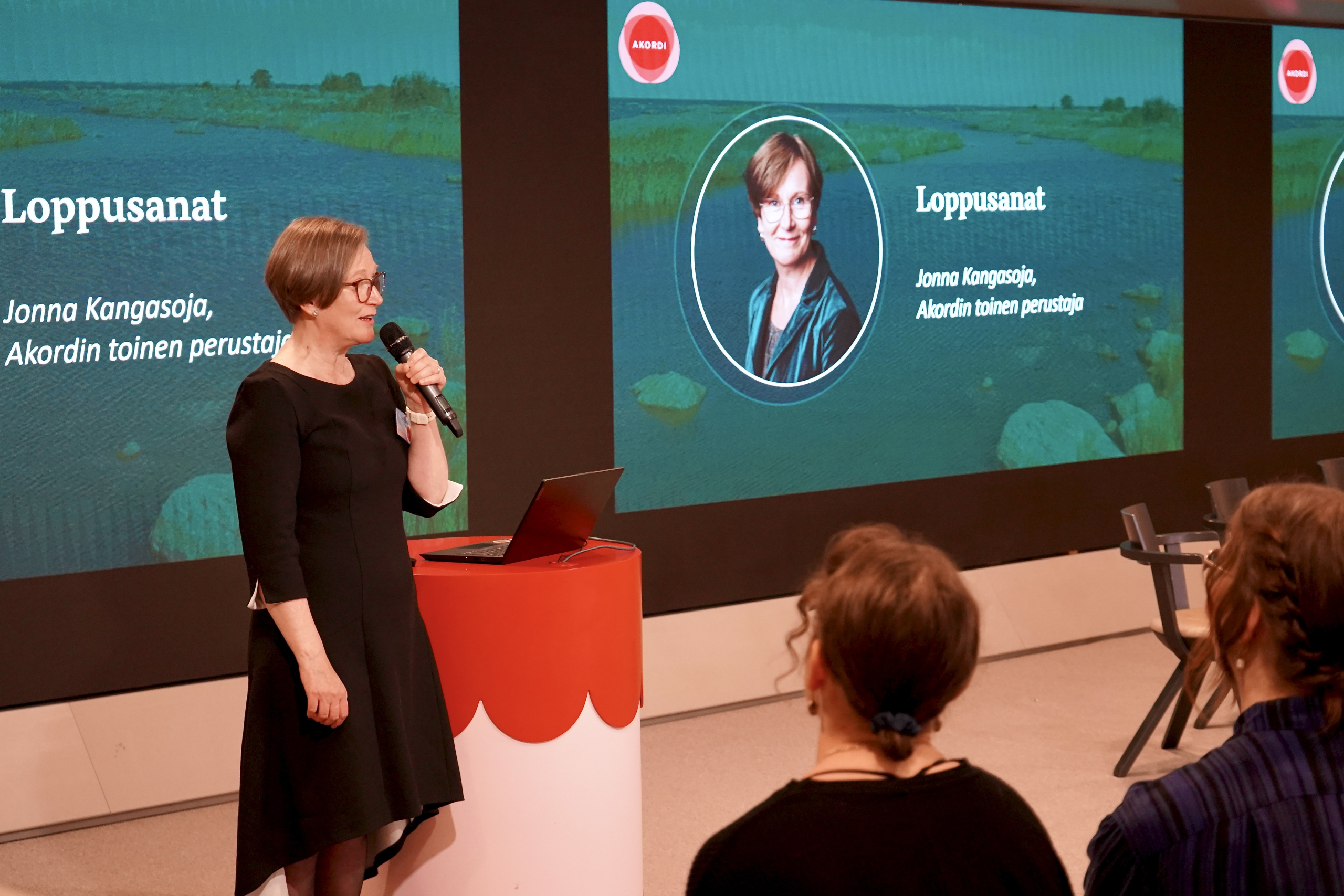
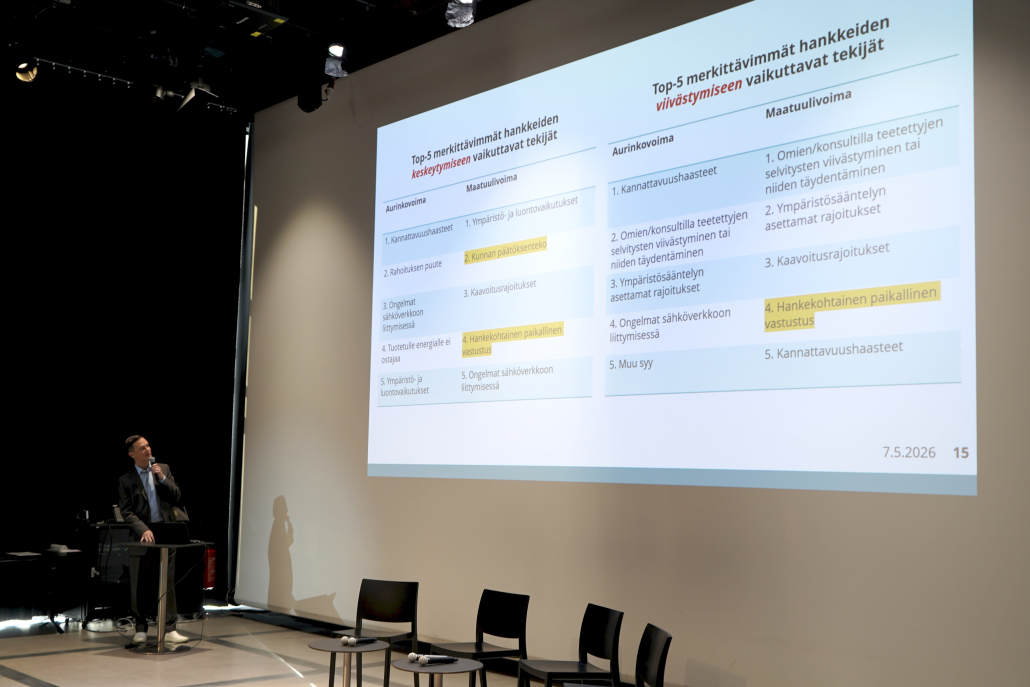
Jonna Kangasoja (Akordi) and Outi Haanperä (Sitra) opened the event, after which Lasse Peltonen (UEF) presented brand-new research findings on the challenges, concerns, and acceptability of wind and solar power projects, based on a survey of project developers.

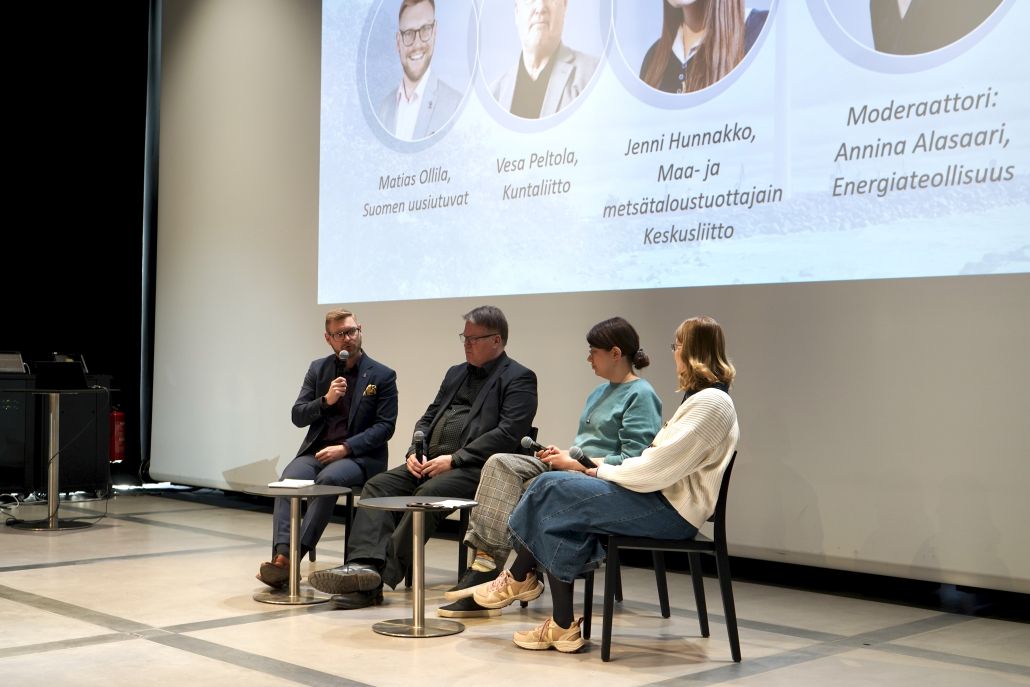
Matias Ollila (Renewables Finland), Vesa Peltola (Association of Finnish Cities and Municipalities), and Jenni Hunnakko (The Central Union of Agricultural Producers and Forest Owners) presented comments from the energy sector, municipalities, and landowners on the study’s findings, and highlighted the challenges and strengths of the Finnish operating environment. The discussion was moderated by Annina Alasaari (Finnish Energy).

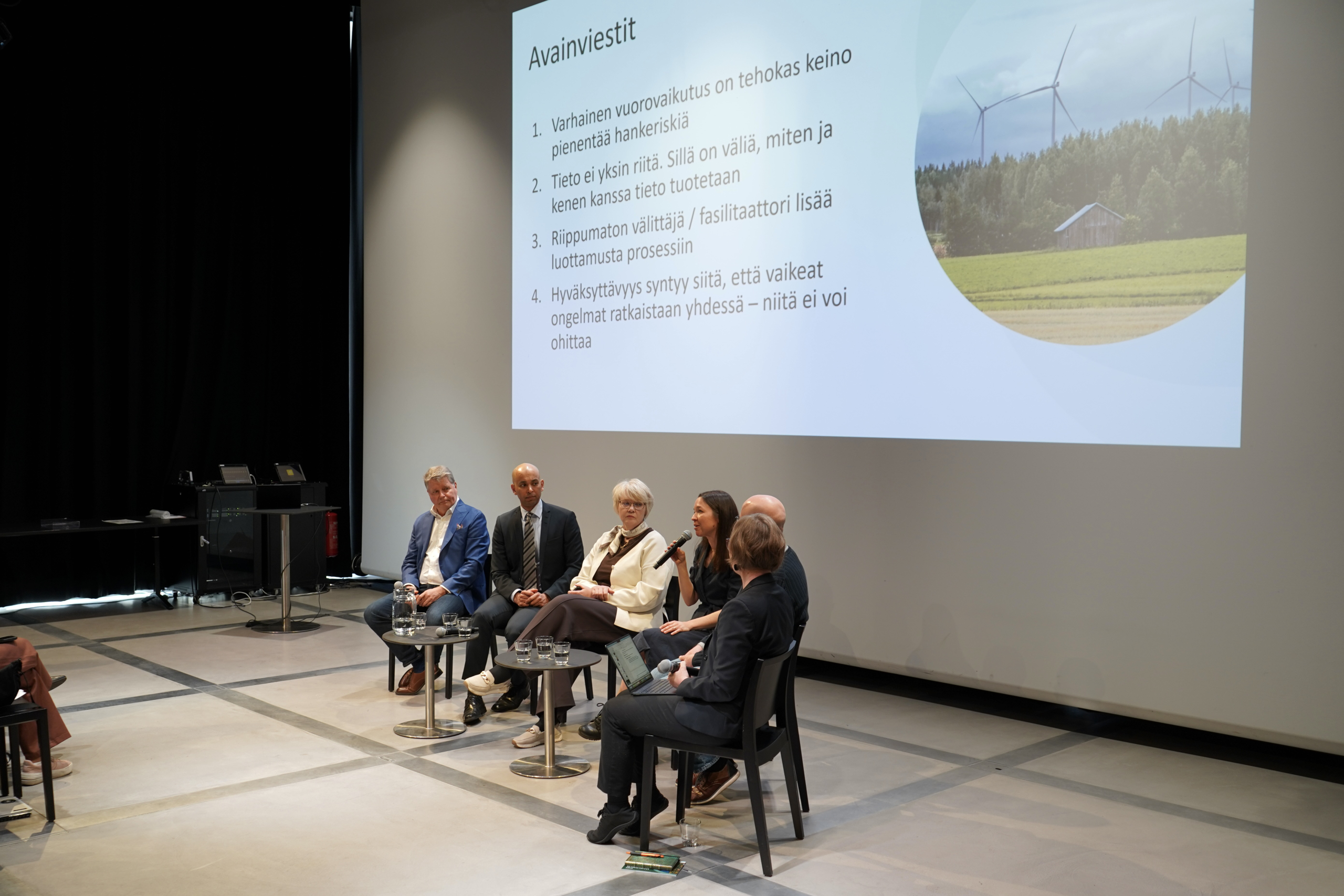
Jonna Kangasoja, Juha-Pekka Turunen, and Thomas Banafa from Akordi, along with Angelique Irjala (Business Kristinestad), Melina Laine (Helen), and Janne Ristolainen (Fortum), shared their experiences and lessons learned on strengthening early-stage interaction through current case examples.

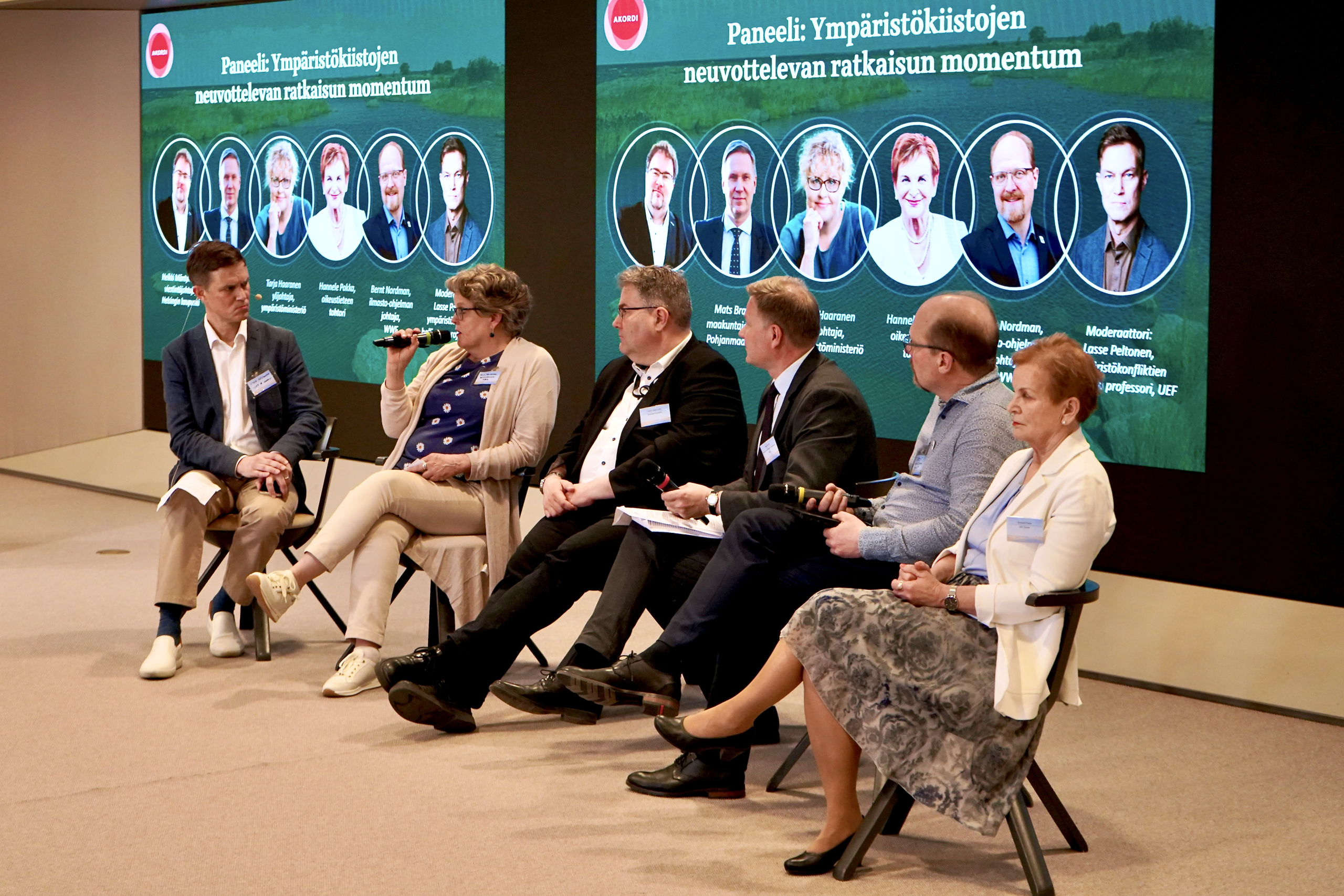
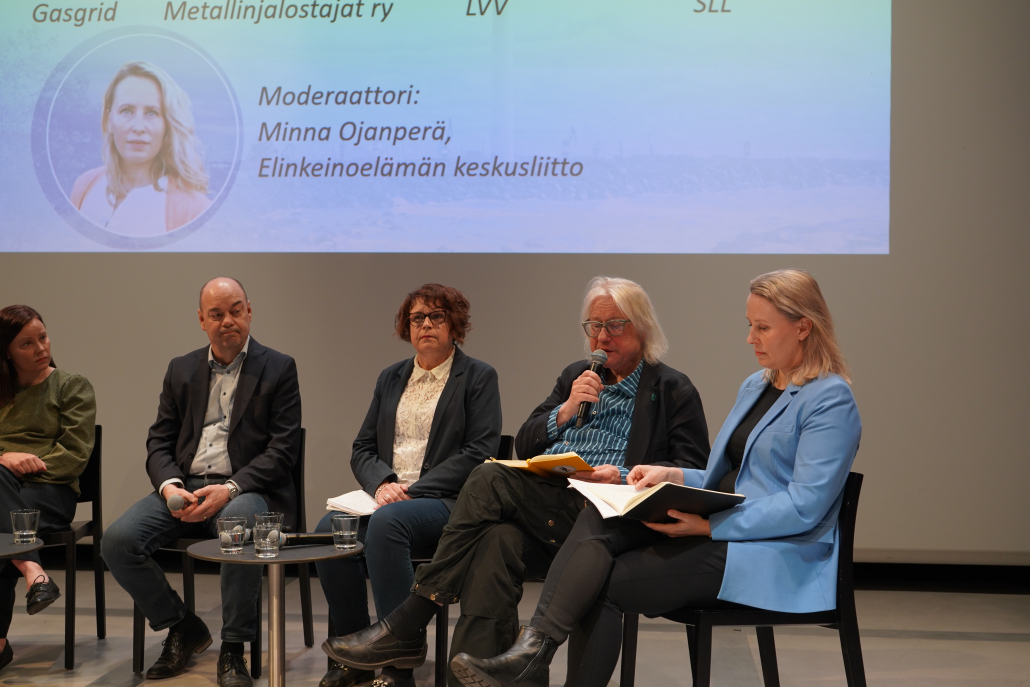
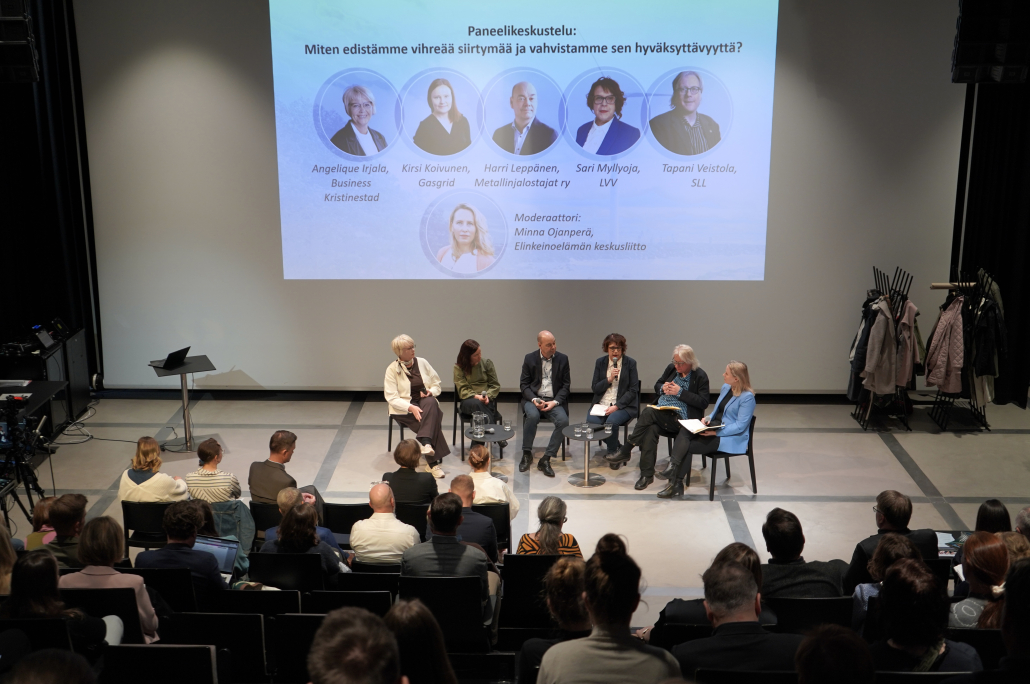
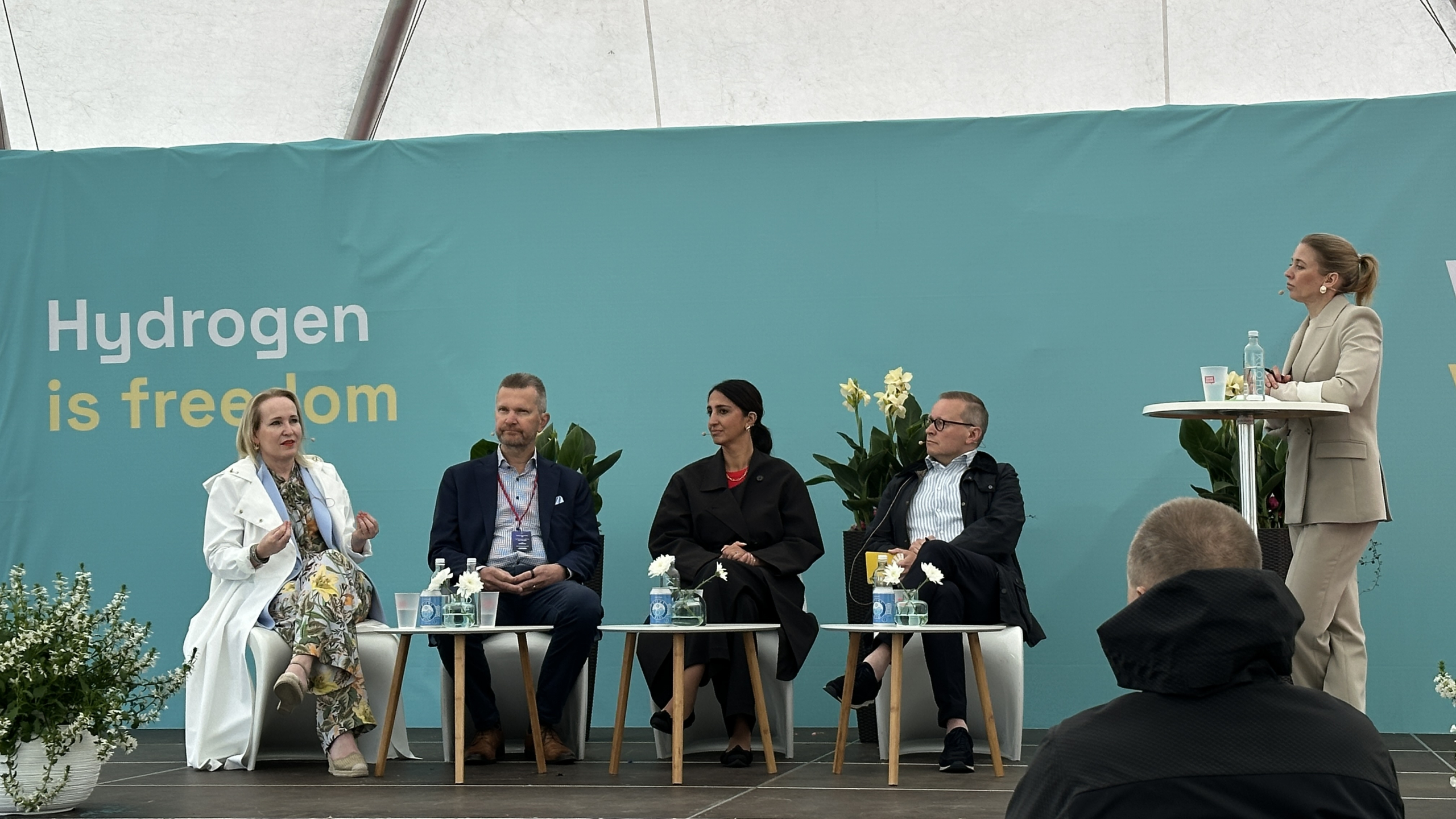
At the end of the event, in a panel discussion moderated by Minna Ojanperä (EK), Angelique Irjala (Business Kristinestad), Kirsi Koivunen (Gasgrid), Harri Leppänen (Finnish Steel and Metal Producers), Sari Myllyoja (Finnish Supervisory Agency), and Tapani Veistola (Finnish Association for Nature Conservation) discussed how the green transition can be promoted by strengthening its acceptability, and what the current situation looks like across the field.

A big thank you to all participants and speakers for the fruitful discussions!

A recording of the livestream is available:

Annual report 2025

Akordi’s view is that conflicts are always present in one way or another when we’re moving from the old to the new. Conflicts are an inevitable symptom of change, and they reveal what matters to us. Conflicts also catalyze the energy of those involved. At its best, conflict can be the impetus that brings parties together to seek and find new solutions and a better shared path forward.

In 2025, we focused on doing our part to build a just and acceptable green transition. In our work, this specifically meant anticipating conflicts in the green transition and scaling up solutions, which we have been able to implement with the support of the TAH and RELEX Foundations and our multi-stakeholder advisory group.

  • We promoted the use of proven procedures in various localities
  • We strengthened expertise in strategic stakeholder engagement through training and open expert lectures
  • We produced tools to address the challenges of green transition acceptance in four different languages
  • We participated in the discussion to develop risk and conflict management at the societal level
  • We deepened collaboration internationally as well as within various networks and forums

Highlights of the year:

Starting in June 2025, we have been sparring project developers and authorities on green transition projects in the five locations: Kristiinankaupunki, Oulu, the western reindeer herding area, Sodankylä, and the Kaustinen region.

A total of 124 key green transition actors from across Finland participated in our course series Strategic Stakeholder Collaboration in Green Transition Projects. Our open expert lectures also garnered over 250 views. The course participants formed a national community of practice based on a shared approach, where experiences, advice, and ideas are shared even after the training, for example, at monthly morning coffee meetings.

We produced translations of our “Local Acceptability of the Green Transition” playbook, which is now available in Finnish, English, Swedish, and Norwegian.

We invited our international partners, Nuno Delicado and WesselinkvanZijst, to share their expertise and experiences at a seminar and trainings.

As mediators in environmental conflicts, we continued to build dialogue, shared knowledge, and trust around topics such as wildlife, diffuse pollution from agriculture and forestry, ecological compensation, the coherence of nature policy, and urban development. One of the highlights was when the draft decree establishing the nature conservation area of the Kvarken archipelago was finalized after a two-year mediation process.

In terms of the volume of Akordi’s activities, 2025 was the most significant year to date, which confirmed the impact of our work across multiple metrics, particularly in terms of geographic coverage and the number of people reached. This has provided a strong foundation to continue with even greater enthusiasm this year!

Read more (in Finnish):

Akordi Annual Report 2025

Akordi Newsletter 1/2026

Subscribe to the Akordi newsletter here!

FinEst Twins Final Event: Answers to the challenges faced by key players in the clean energy transition, and translations of the Playbook into three languages

On October 27, at the FinEst Twins project’s final seminar, we published answers to the challenges faced by key players in the clean energy transition, as well as English, Swedish, and Norwegian translations of Akordi’s Playbook.

We promote a fair and clean energy transition by developing strategic stakeholder engagement and collaboration between different actors. In Forum Virium’s FinEst Twins project, we carried out a pilot in which we identified the specific challenges faced by different key actors and sought practical solutions for each target group:

  • municipalities
  • project operators
  • business development companies
  • financiers
  • political decision-makers
  • educational organizations

Marko Lehenberg (Valorem), Mila Segervall (Kristiinankaupunki), Sami Häikiö (Helsinki Partners) and Kaisa Penttilä (Vaasa University of Applied Sciences) shared their thoughts on stakeholder cooperation in the clean energy transition from the perspectives of different actors in a panel discussion at the final seminar, led by our expert Minna Näsman.

The results of the pilot complement our Local Acceptability of the Green Transition Playbook, which offers proven tools for thinking and doing that can help build better interaction, collaboration and trust, which are essential for project acceptance. The playbook is now also available in English, Swedish, and Norwegian.

Check out the results of the pilot and download the playbook for free!

Photo: Jasse Hallström

Lasse Peltonen emphasised issues of acceptability relating to critical minerals on the Huomenta Suomi programme.

On MTV’s Huomenta Suomi program, Lasse Peltonen (co-founder of Akordi and professor of environmental conflict management at the University of Eastern Finland) and Satu Penttinen (campaign director at Business Finland) discussed critical minerals, their extraction in Finland, and how mining could be carried out in a way that is sustainable for the environment and local communities.

The discussion covered topics such as

  • the environmental impact affecting water and loss of nature,
  • local and national benefits,
  • Finland’s attractiveness, and
  • the need for cumulative impact assessment.

Watch the discussion here (in Finnish). The discussion begins at 41:25 and ends at 53:35.

In addition: Akordi organizes training on strategic stakeholder engagement in mining projects related to critical minerals in Sodankylä on November 5-7. Read more in our training calendar and apply by October 17! The training is in Finnish.

The autumn meeting of Akordi’s Community of Practice reinforced the learning and cooperation networks created during the training

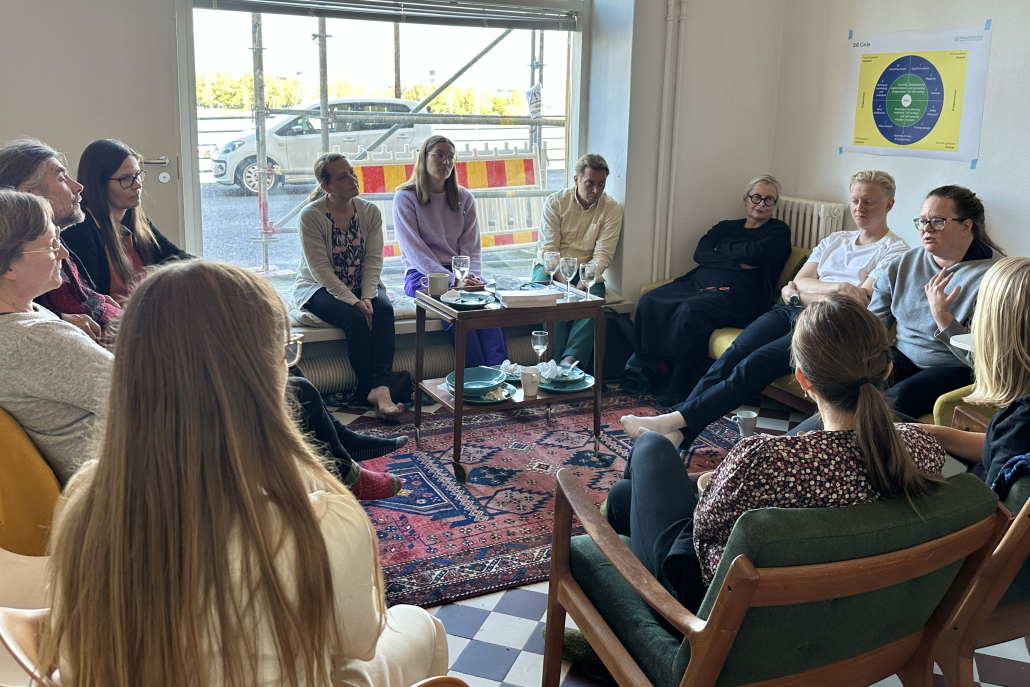
A Community of Practice based on a common approach is being built through our Strategic Stakeholder Engagement in Clean Transition Projects training, in which more than 120 experts are participating this year. At the first joint meeting, students who had studied and were studying on different courses got to know each other and discuss topics of mutual interest. The atmosphere was very enthusiastic, and concrete tips and experiences were shared at the meeting.

In the future, the community will meet monthly for virtual morning coffee sessions, which will always focus on a specific theme of interest to community members. Peer support and the sharing of best practices will also continue on the community’s discussion forum.

Thank you to everyone who participated in the meeting!

Upcoming trainings: Next week’s course in Vaasa includes a Hydrogen from Kokkola to Kristiinankaupunki and from Haapajärvi to Vaasa seminar open to everyone, on Tuesday, October 7, from 9:00 a.m. to 11:30 a.m. The seminar can be attended remotely and will be recorded. The last course of the year will be held in Sodankylä on November 5–7, focusing on critical minerals. Read more and apply by October 17! Both events are held in Finnish.

Master’s Thesis: Wind power may pose an existential threat to the Sámi people – ontological conflicts and green extractivism in the Fosen wind power conflict

Sara Vanhanen, who has worked as a project worker at Akordi, examined the Fosen wind power conflict from the perspective of ontological conflict and green extractivism in her master’s thesis. In this blog post, Sara explains what the conflict is about and how these perspectives manifest themselves in the case. The full thesis can be read here.

How I came to study the Fosen wind power conflict

I first became aware of the human rights violations taking place in Fosen, Norway, when my Norwegian friends shared Instagram posts by Sámi activists on social media about a protest in early spring 2023. Supported by climate activists, the Sámi protested against the government’s inaction following a Supreme Court ruling that declared the construction permit for the Fosen wind farm invalid. I followed the situation through social media at the time. I was affected by the case in a new way in the spring of 2024, when Sámi activists were engaged in a new legal battle. This time, the dispute concerned a protest in which activists had occupied the lobby of a ministry and were fined for their actions.

During the trial, I was living next to the Oslo District Court while doing my university internship at the Oslo Defense Attaché’s Office. So, for several days, we passed each other on the street as I headed to the embassy and the activists made their way to the courthouse. After I returned from Norway, I decided to write my master’s thesis on the Fosen case. The thesis is a case study that analyzes 18 different documents, ranging from social media posts to official government documents and a current affairs program on the state media NRK.

P.S. The activists’ fines were overturned by the Supreme Court in the summer of 2025. A great victory for democracy!


What happened in the Fosen wind power conflict?

Fosen is located on the west coast of Norway, on the southern border of the Sámi homeland. The Sámi people of the Fosen region belong to the Southern Sámi, who are a minority within the Sámi people and speak their own language. A military firing range was planned in the area from the 1970s until the 1990s, when wind power began to emerge as a possibility. After the turn of the millennium, the area was included in various wind power studies and impact assessments.

  • 2008 – The area is included in a wide-ranging impact assessment that considers the potential impacts of more than twenty different wind farms.
  • 2010 – The decision to build wind power in Fosen is announced.
  • 2013 – The Ministry of Petroleum and Energy responds to an appeal, resulting in minor changes to the building licenses, but all planned licenses remain valid.
  • 2014 – The two local reindeer herding co-operatives, the South Fosen Reindeer Herding Co-operative and the North Fosen Reindeer Herding Co-operative, challenge the license in court.
  • 2015 – The project operator and developer Statkraft announces that it is withdrawing from all wind power projects in the Nordic countries due to poor economic viability.
  • 2016 – Under political pressure, Statkraft resumes its activities and begins construction in Fosen.
  • 2018 – The district court hears the challenge to the building license that was filed in 2014. After the proceedings, the case advances to the next level of jurisdiction. At this point, the United Nations (UN) asks Norway to suspend the construction of the turbines due to the ongoing legal proceedings. However, the Norwegian government does not comply with the request and denies that there has been a human rights violation in Fosen.
  • 2019/2020 – The turbines are completed and the wind farms begin operating.
  • 2020 – The case is heard in the Court of Appeal, but proceeds to the Supreme Court after both parties appeal the decision.
  • 2021 – The Supreme Court declares the license invalid. The wind farms should never have been built.
  • 2023 – In February, the Norwegian Sami Association (Norske Samers Riksforbund) and the nature conservation organization Natur og Ungdom (Nature and Youth) organize a large demonstration in Oslo 500 days after the ruling. The demonstration also receives international media attention, which is likely to be increased by the presence of climate activist Greta Thunberg. During the same year, several demonstrations are held in Oslo to mark 600 and 700 days since the ruling, leading up to the second anniversary of the ruling.
  • 2023 – The South Fosen Reindeer Herding Co-operative and Fosen Vind sign a joint agreement in December.
  • 2024 – The North Fosen Reindeer Herding Co-operative and Roan Vind sign a joint agreement in March.

This brings the Fosen wind power conflict to a nominal end in the spring of 2024. The agreements promise the Sámi, for instance, financial compensation for the harm caused by wind power and alternative winter pastures. The latter agreement also includes the establishment of a Southern Sámi cultural fund. Both agreements allow the turbines to remain in operation until the current license expires, after which the Reindeer Herding Co-operatives will have the right of veto if a new license is considered.

Now we know what happened in Fosen, but what is this case actually about?

The Supreme Court’s ruling states that Norway needs wind power, but the building permit for the wind turbines in Fosen was invalidated. The court justified this on the grounds that the Southern Sámi are a minority within a minority and are therefore in a very vulnerable position, and that the harm caused by the wind farm to reindeer herding violates Article 27 of the International Covenant on Civil and Political Rights, which guarantees minorities the right to their own language and culture. Consequently, arguments comparing, for example, the economic benefits of reindeer herding and wind power are also irrelevant in the eyes of the court. In Fosen, the importance of reindeer herding for Sámi culture and its continuity must be recognised. In Southern Sámi culture in particular, the threat to reindeer herding must be understood as an existential threat to the culture.

In my research, I examined the case from the perspective of ontological conflict, which is a conflict between clashing realities. Through ontologies, we can understand what reality is and how it is created. Reality is created through action and is therefore not limited to what we can perceive with our senses. In Western countries, an ontological view has long prevailed, which has many names, but which I have referred to in my thesis as the One-World-Worldview. In this way of thinking, cultural differences, for example, can be understood, but they are seen as existing within the same shared reality.

Sámi ontology can be categorized as relational ontology, in which not only humans but also non-humans participate in the creation of reality, and in which both human and non-human beings co-exist in a state of interconnectedness. Many traditions are connected to the land, and local traditional knowledge can also be acquired through dwelling in the landscape. In Sámi ontologies, the land is seen as a living entity and can be considered relative to life itself. For this reason, different land requirements in many circumstances appear to the Sámi as existential threats.

In order to understand Sámi ontology and also to perceive ontological conflicts, we must accept the existence of a pluriverse. Somewhat paradoxically, if a one world worldview cannot comprehend the existence of other realities, then naturally it cannot witness a conflict between two or more ontologies either. However, pluriversalism is necessary so that, for example, when conducting mapping, it is possible to take into account aspects of reality that cannot be observed with the naked eye and that may remain completely hidden from those who are not part of that reality. These questions become very topical when we consider, for example, whether land is empty. What appears completely empty and lifeless to one person may be full of life to another. It is therefore very important that the Sámi people are involved in all stages of projects located in their homeland, in particular in mapping and impact assessment.

How does green extractivism feature in the Fosen case?

In addition to ontological conflicts, green extractivism was used as another theoretical framework in my research. There is no single unambiguous definition of extractivism, but it is used to describe processes that are characterized by the production of value in a way that renders the original environment unusable. Inequality in power relations and the violent disregard of the lived reality of the disadvantaged are also often essential elements in this equation. Extractivist processes rely heavily on the perception of the area as lifeless, which is why ontologies and ontological conflicts often become highly relevant in extractivist processes. Extractivism has long roots in colonialism, and the processes were first developed in the peripheries, after which they were brought closer to the centers. Arctic extractivism has emerged in literature in the 2010s. The wind farms in Fosen can also be seen as an extractivist project, as the reality of the Sámi people has been ignored and nature has been altered in a way that has rendered it unusable for the Sámi, with the wind farms generating value elsewhere.

Green extractivism is a concept that has been used in academia when discussing extractivist projects that are justified on the basis of their environmental benefits. Wind power is an excellent example of such a project. The greenness of wind power can be questioned when considering, for example, how much the increasing use of wind power requires the extraction of various minerals. On the other hand, a truly green choice would be to reduce growth and consumption. However, the material I used does not contain any references to degrowth thinking; instead, supporters of wind power justify its necessity largely on the basis of increased employment or economic growth. In these arguments, the green credentials of wind power receive less attention or appear completely questionable. Thus, the documents reveal that wind power is justified mainly on economic grounds, which increases the extractive nature of the project in Fosen.

Climate change is often described as a double-edged sword for the Sámi. Its effects are already visible and are strongest in the polar regions. On the other hand, the measures proposed to combat climate change often increase land use in the Sámi homeland. It is important to understand that the Sámi people and the climate activists who support them are not opposed to “green” initiatives or measures which combat climate change. The opposition to the Fosen wind farm is about opposition to an extractivist project. Perhaps more often, one hears the Sámi people talk about green colonialism. Since extractivism is colonialist in nature, in this case green colonialism can be seen to be realized specifically through a green extractivist project.

What can we learn from this?

It is challenging to summarize a 70-page study in a short blog post. I therefore recommend that readers who have made it this far familiarize themselves with the study itself. However, here is a summary of Fosen’s most important lessons:

  1. The Fosen case shows how important it is to comply with both national and international legislation and various agreements. This also includes free, prior, and informed consent (FPIC), which, since the completion of the study, has been more clearly incorporated into Finnish national legislation following an amendment to the Sámi Parliament Act.
  2. Once all laws are being followed, it’s also important to include the Sámi people in all stages of the project. As I mentioned earlier, mapping and impact assessment are particularly critical in this regard. Only the Sámi people can describe their own lived reality.
  3. On the other hand, in order to truly listen to the Sámi people and accept their knowledge, it is also necessary to accept ontological diversity. Otherwise the ontological reality of the Sámi people will remain unrecognized.
  4. Finally, I would also urge people to familiarise themselves with the existing knowledge. There is a large amount of accurate and ethically produced research on the Sámi people. Ignorance can therefore appear to be a strategic choice, whereby the rights of the Sámi people are bypassed on the grounds of a lack of knowledge.

Lack of knowledge was also a prominent theme at the Green Youth Camp held in Åland this summer, where the theme was green transition and indigenous peoples. You can find my blog post on the subject here. Akordi has also done its part to address the knowledge gap. I was involved in organizing training on the unique issues relating to the Sámi homeland in the context of the sustainability transition. A recording of the training can be viewed here (in Finnish). The training was definitely one of the highlights of my four-month project period. My time at Akordi is now coming to an end, and I would like to thank Akordi for this summer. Who knows what the future may bring in terms of cooperation!

If my thesis has piqued your interest, you can read it in its entirety here. Please send any questions or other inquiries by email to sara.vanhanen@gmail.com.

Blog: Nordic Green Youth Summer Summit – a journey with the Green Youth to learn about the Sámi people and the green transition

This summer, nearly 70 young activists gathered in Åland to learn about the green transition and the Sámi people. Participants came from Finland, Sweden, Norway, and Denmark. Some of the participants were long-time party activists, while others, like me, were learners who were inspired by the topic and not affiliated with the Green Youth. The main organizer of the Nordic Green Youth Summer Summit was the Finnish Green Youth, but the event was organized in collaboration with Grön ungdom (Sweden), Grønn Ungdom (Norway), Socialistisk Folkeparts Ungdom (Denmark), and Hållbart initiativ (Åland). The project was funded by the Nordic Council of Ministers, the Young European Greens and the European Union.

The theme of the trip was green transition and indigenous peoples, which in the Nordic context meant the Sámi people. Climate change is a double-edged sword for the Sámi. While the Arctic is warming four times faster than the global average and the Sámi have reported the effects of climate change on aspects such as reindeer herding, the so-called green transition also reproduces colonialism against the Sámi in their homeland, and the Sámi have used the terms black transition or green colonialism to describe this.

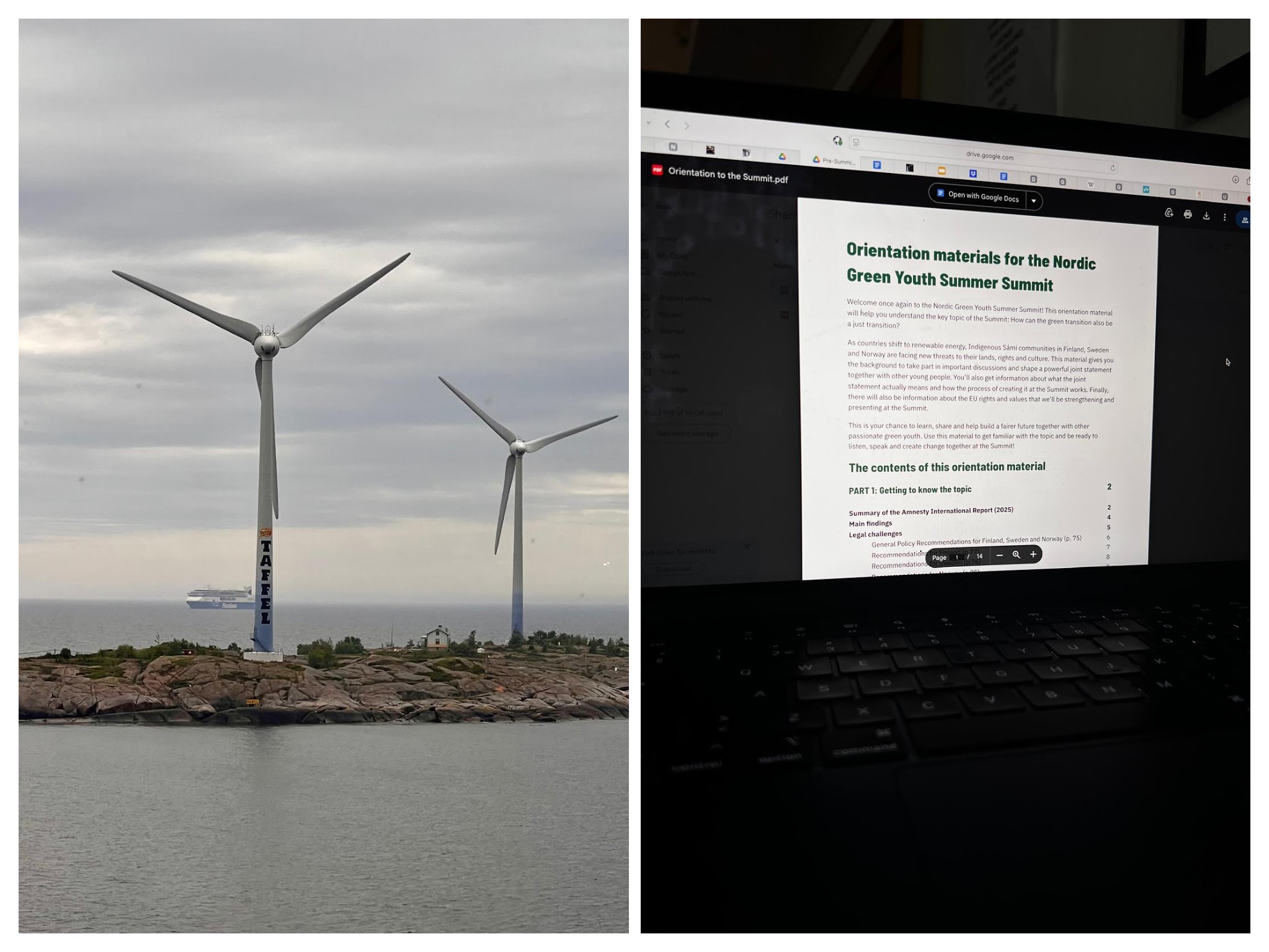
Preparing for the trip by spotting windmills from the ferry and reading the orientation package.

In keeping with the common Nordic theme, we began our journey by familiarizing ourselves with various forums for Nordic cooperation, such as the Nordic Council and the Nordic Council of Ministers. As Sápmi is located in three Nordic countries, it is important that issues relating to the region can be discussed in joint Nordic forums. Nevertheless, it is noteworthy that the Sámi do not have their own representation in the Nordic Council, but the Sámi Parliamentary Council currently has an extended observer status.

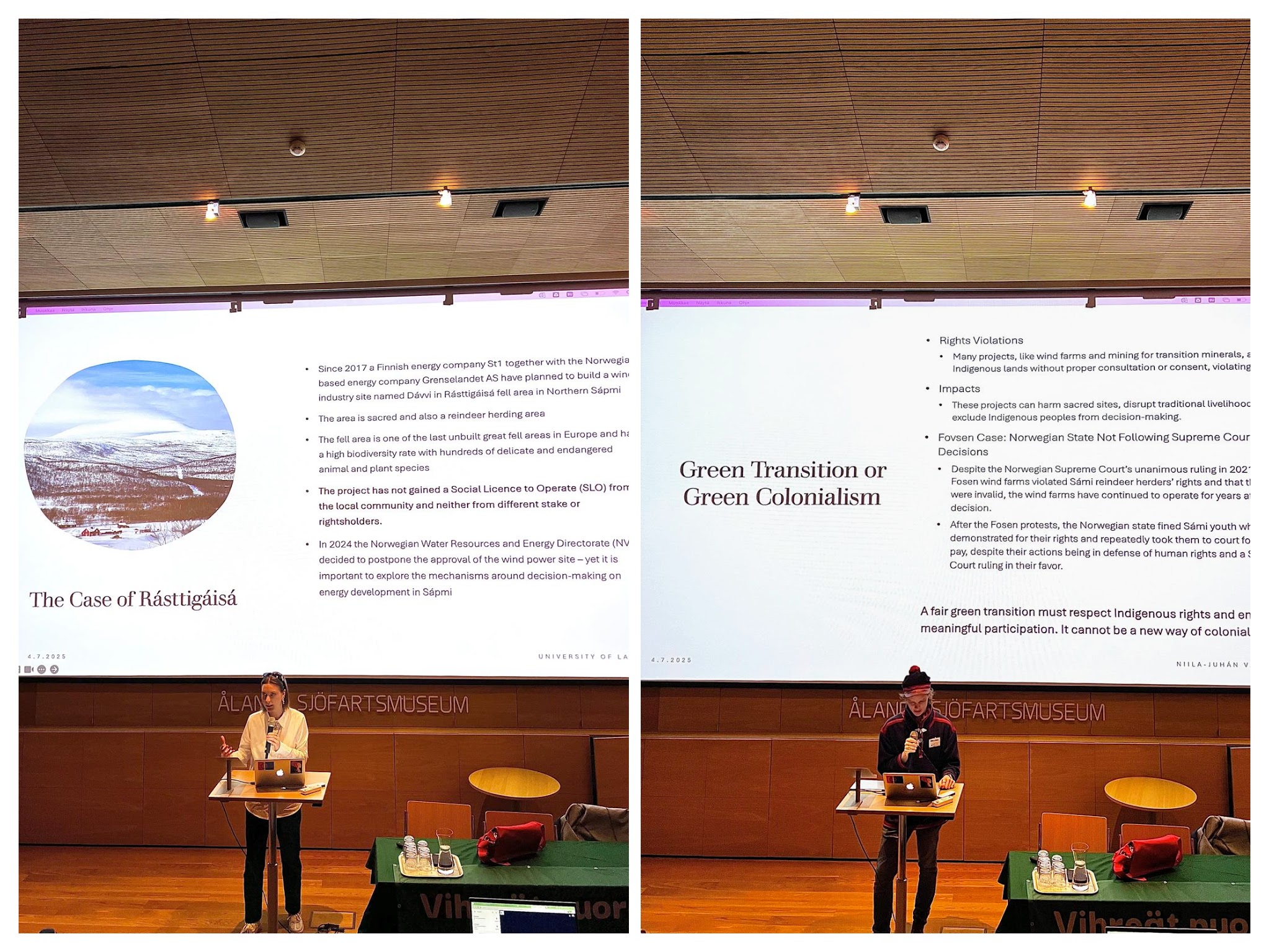
The following day, we were able to delve deeper into Sámi issues. The day’s lectures were given by Niila-Juhán Valkeapää, secretary of the Finnish Sámi Youth and vice-chair of the Youth Council under the Sámi Parliament in Finland, and Eleonora Alariesto, a master’s student in Arctic World Politics at the University of Lapland and project planner for the MÁHTUT research project. The day began with Valkeapää’s comprehensive introduction to the stages and effects of colonialist policies targeting the Sámi people. The lecture covered topics ranging from the assimilation of the Sámi people to the impact of border closures and taxation. Current challenges were also highlighted, particularly those related to the green transition and the processes (FPIC) that should be followed in these situations.

In Eleonora Alariesto’s presentation, we had the honor of hearing personal stories from her family and getting a glimpse of her unpublished research. We learned about Sámi cultural environments (SCE), where the material and immaterial dimensions meet. These places are steeped in traditions such as reindeer herding and fishing, as well as intergenerational knowledge, stories, yoiks, cosmologies, and relationships with ancestors and spirits. Alariesto’s research deals with contamination and how subjective and culturally bound experiences influence people’s thoughts and behavior, thereby also shaping perceptions of what is considered a contaminant. Different systems have different norms and categories for what kinds of things and objects belong where. In the context of Sápmi, contamination can mean, for example, irresponsible tourism or the placement of wind power in Sápmi. One of the examples discussed was Äijih in Inari. Äijih is a positive example in that the area has been restored by removing the stairs built for tourists and many tourism companies have stopped landing on the island.

Eleonora Alariesto and Niila-Juhán Valkeapää giving a lecture.

Through the categories of contamination, cleanliness, and dirtiness, Alariesto creates an interesting dichotomy between the ideas of clean wind power and dirty Sámi people. Through racial theory and colonialist research, the Sámi have been portrayed as dirty. By questioning racist and colonialist definitions of dirtiness, hegemonic notions of cleanliness can be challenged through a decolonial lens. Alongside wind power, which is presented as clean, it is also important to note how many Sámi traditions are based on the seasons and the cycle of nature, making the Sámi experts in the circular economy in today’s era of green transition and circular economy. This is also the basis for the MÁHTUT project led by the University of Lapland, in which Alariesto works as a project planner.

In addition to lectures providing historical and theoretical background, Valkeapää and Alariesto also introduced us to various Sámi actors, such as the Sámi Council, and highlighted the opportunities for Sámi people to influence non-Sámi parliamentary bodies, such as the European Parliament. The EU’s Critical Raw Materials Act (CRMA) was also included in the presentation, as there are fears that faster processing could lead to more conflicts in Sápmi, where consultation with the Sámi people in the planning and implementation of projects has previously been deemed insufficient. The lectures reviewed examples of projects where FPIC has not been implemented. One of these was the Fosen wind farm, which I am very familiar with as I discussed it in my master’s thesis. In Fosen, local Sami sidas filed a lawsuit against the wind farm, but the Norwegian government did not halt the project despite a request from the UN. The legal proceedings came to an end in 2021, when the Norwegian Supreme Court ruled that the building permit was invalid, with the farm already in operation. The government’s inaction in rectifying the situation led to widespread protests.

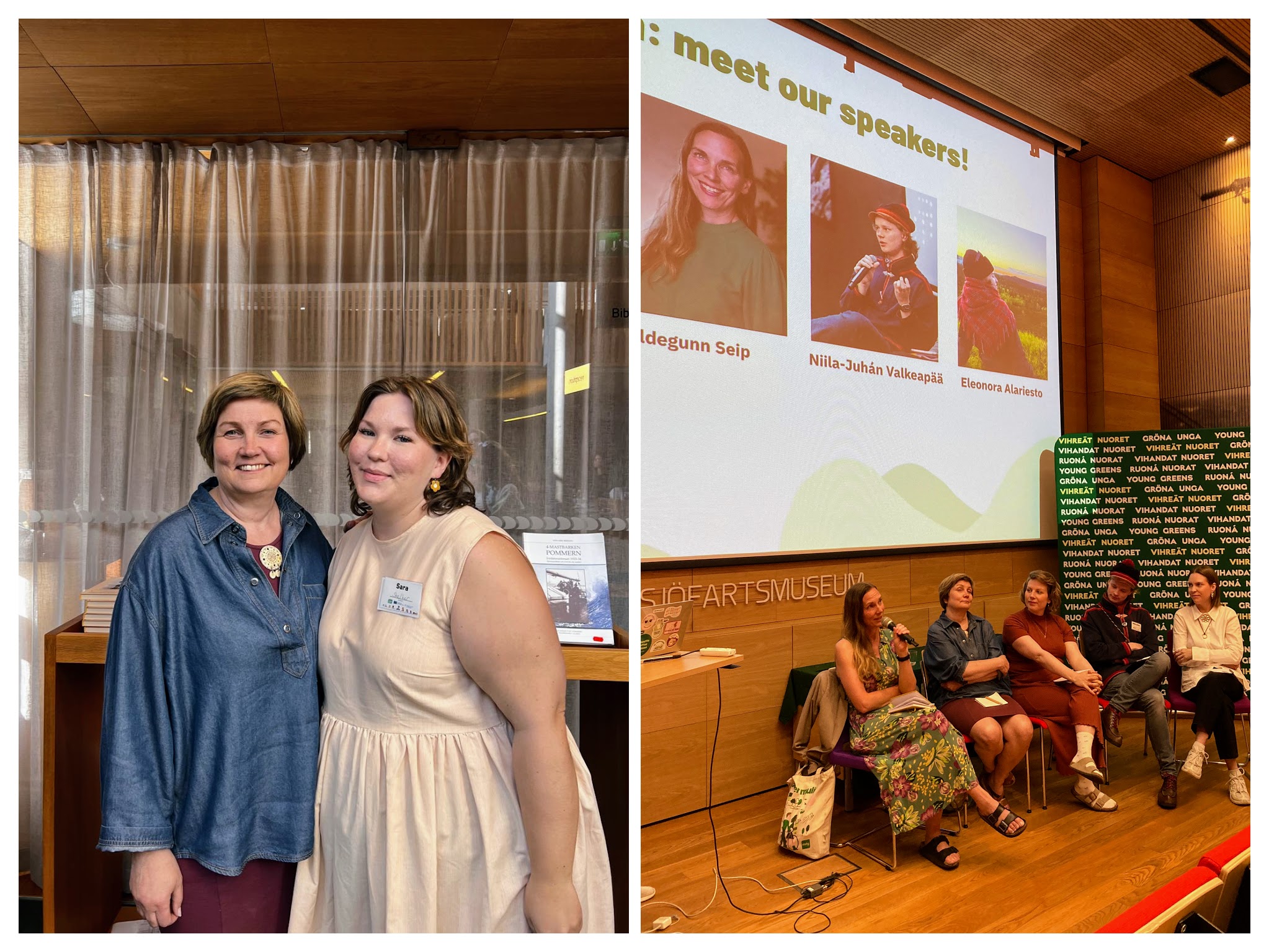
Later in the afternoon, the program continued in the form of a panel discussion. In addition to Valkeapää and Alariesto, the panel included Green Party MP Jenni Pitko, Norwegian Green Party politician and psychologist Hildegunn Seip, and Aili Keskitalo, former chair of the Sámi Parliament (Sámediggi, Sametinget) who currently works as a political advisor for Amnesty International Norway. The panelists answered questions that had arisen during the day’s lectures.

Aili Keskitalo also joined the afternoon panel, and I had the opportunity to take a photo with her.

One of the most important concepts in the lectures and panel discussions was FPIC, which has already been mentioned a couple of times in this text. The term comes from the English words free, prior, informed, consent. In accordance with this policy and principle, projects located in Sápmi should obtain the free, informed, and prior consent of the Sámi people. FPIC is based on Article 10 of the UN Declaration on the Rights of Indigenous Peoples and also appears in other international agreements.

In order for a project located in Sápmi to be socially acceptable and not (green) colonialism, it must comply with the FPIC principle. When a question was raised later in the panel discussion as to whether the Sámi should have a right of veto when planning projects in Sápmi, Aili Keskitalo considered compliance with the FPIC process to be a better option than a right of veto. In this case, the process provides an opportunity for negotiation to find ways to implement projects without rejecting them outright.

Another important issue raised during the panel discussion was the knowledge gap. The panelists discussed, for example, how many people do not really understand what indigenous peoples mean and how indigenous peoples and their rights differ from other minorities. The history of the Sámi people and other land use in the Sápmi must be understood in order to better understand the current situation. The lack of knowledge is a structural problem, which should be addressed by reviewing the existing structures and establishing a joint table for discussion with the Sámi people. The Sámi cannot solve this problem or build the table alone. Akordi also has the opportunity to support the Sámi in disseminating information. For example, in September we are organizing training on fair sustainability transition in the Sámi homeland with a focus on FPIC (in Finnish).

Although increasing knowledge is important, there are also contradictions inherent in this idea. The Sámi do not necessarily want to, nor do they need to, share all their knowledge. This applies in particular to knowledge about sacred sites, among other things. However, this can cause difficulties, as it can make it harder to protect sacred sites and show them special respect if their location is not known. However, it is important to note that the sharing of information must also be based on the consent of the Sámi people and on accurate information.

It is difficult to summarize such a broad discussion in a meaningful way, and much is inevitably left out of this text. To highlight one more point, I would like to mention the Sámi concept of birget, which Ali Keskitalo brought up in the discussion. Birget means coping in a changing environment. According to Keskitalo’s description, this principle also includes not consuming more resources than necessary. It is important to get by, but also to leave opportunities for future generations. This way of thinking could be respected more broadly when we consider a more equitable sustainable transition.

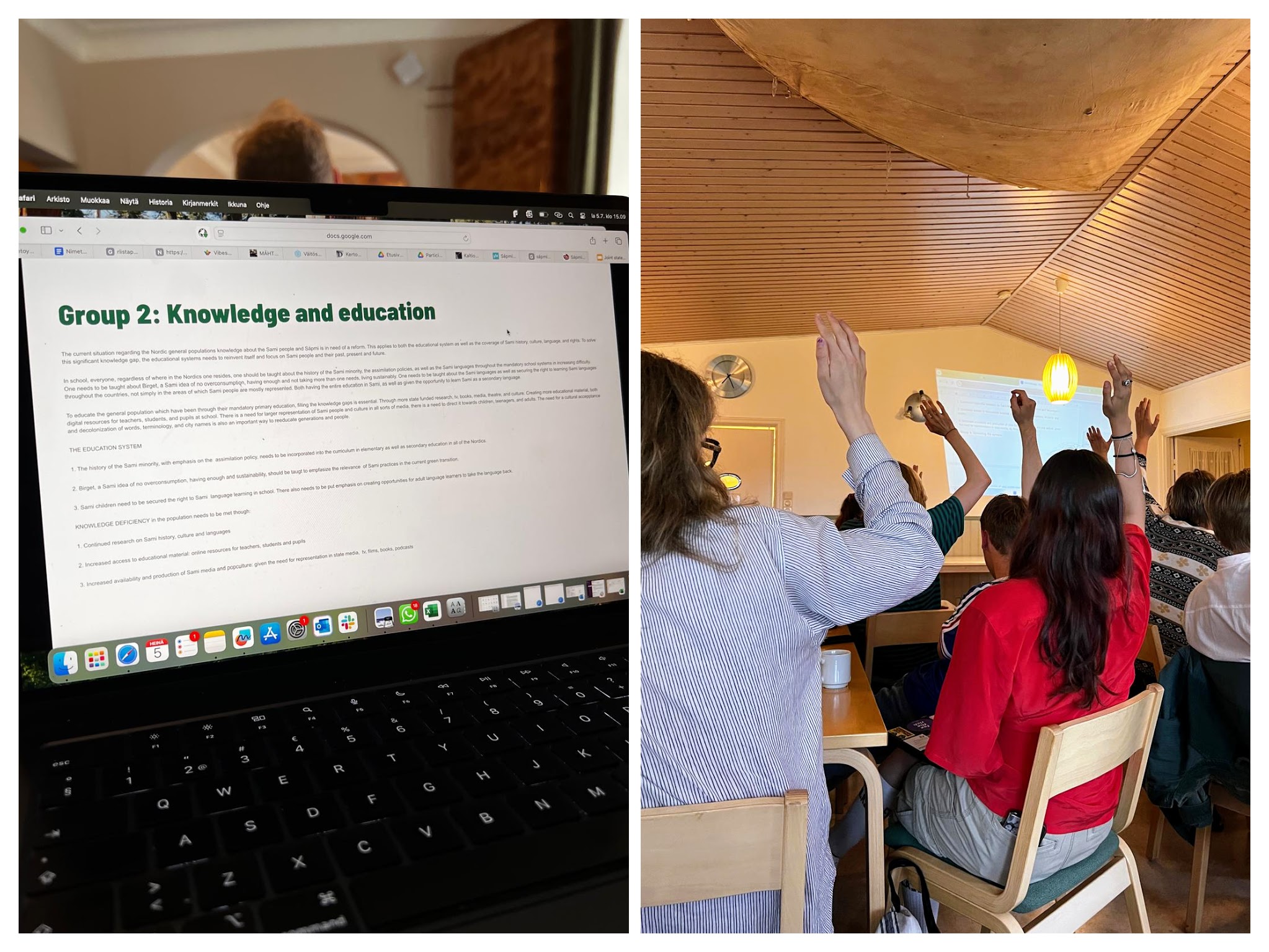
Working on the joint statement.In addition to informative lectures and a panel discussion, we also had the opportunity to work on a joint statement during the event. The large number of participants, the multifaceted topic, and the fatigue caused by intensive learning presented their own challenges. Nevertheless, through working in small groups, we managed to produce drafts on the content of various sub-themes, which were further developed through joint comments and the reorganisation of the groups. Later in the evening, we were able to vote on the amendments made, and the event’s working group will produce a final draft based on the work done during the day.

All in all, the trip to Åland was an informative and intensive experience. It is clear that work must be done at both the state and Nordic cooperation levels to realize the rights of the Sámi people. Sharing information is an important part of this process, and the camp in Åland was a step in the right direction. We are now continuing this work in Akordi, among other things in the form of the above-mentioned FPIC-focused training day in September, about which more information will be available later (in Finnish).

Many thanks to the organisers for making it possible to participate in this event!

Read Eleonora Alariesto’s essay published in Kaltio magazine, Clean wind power and dirty Sami people (in Finnish).


The author is Akordi’s project worker Sara Vanhanen, who discussed the wind power conflict in Fosen, Norway, through the lens of ontological conflict and green extractivism in her master’s thesis. Read Sara’s thesis here.

SuomiAreena 2025: Building consensus with conflicting interests is essential to ensure just hydrogen transition

SuomiAreena 2025 once again brought together decision-makers, experts, companies, and citizens to discuss current social issues. Akordi’s Business Development Director Minna Näsman and Communications Specialist Taika Tikkanen represented the JustH2Transit project, which focuses on the fairness of the green hydrogen transition. Akordi acts as the project’s interaction manager. Reconciling the interests of different parties, fairness, and local acceptance were key topics in our discussions.

We adressed the fairness of the hydrogen transition

The JUST ENERGY research program (funded by The Strategic Research Council), which includes our JustH2Transit project, organized a discussion at SuomiAreena on Tuesday, June 24. The discussion focused on the fairness of the energy transition and considered how fairness and reasonableness extend from global issues to the everyday lives of individual citizens.

The discussion was summarized by saying that the benefits and disadvantages must be distributed evenly across regions, responsibility must not be left to citizens, and information sharing plays a key role if and when the energy transition is to be achieved fairly. You can read more about the panel discussion in the blog post and watch the recording of the discussion here (in Finnish).

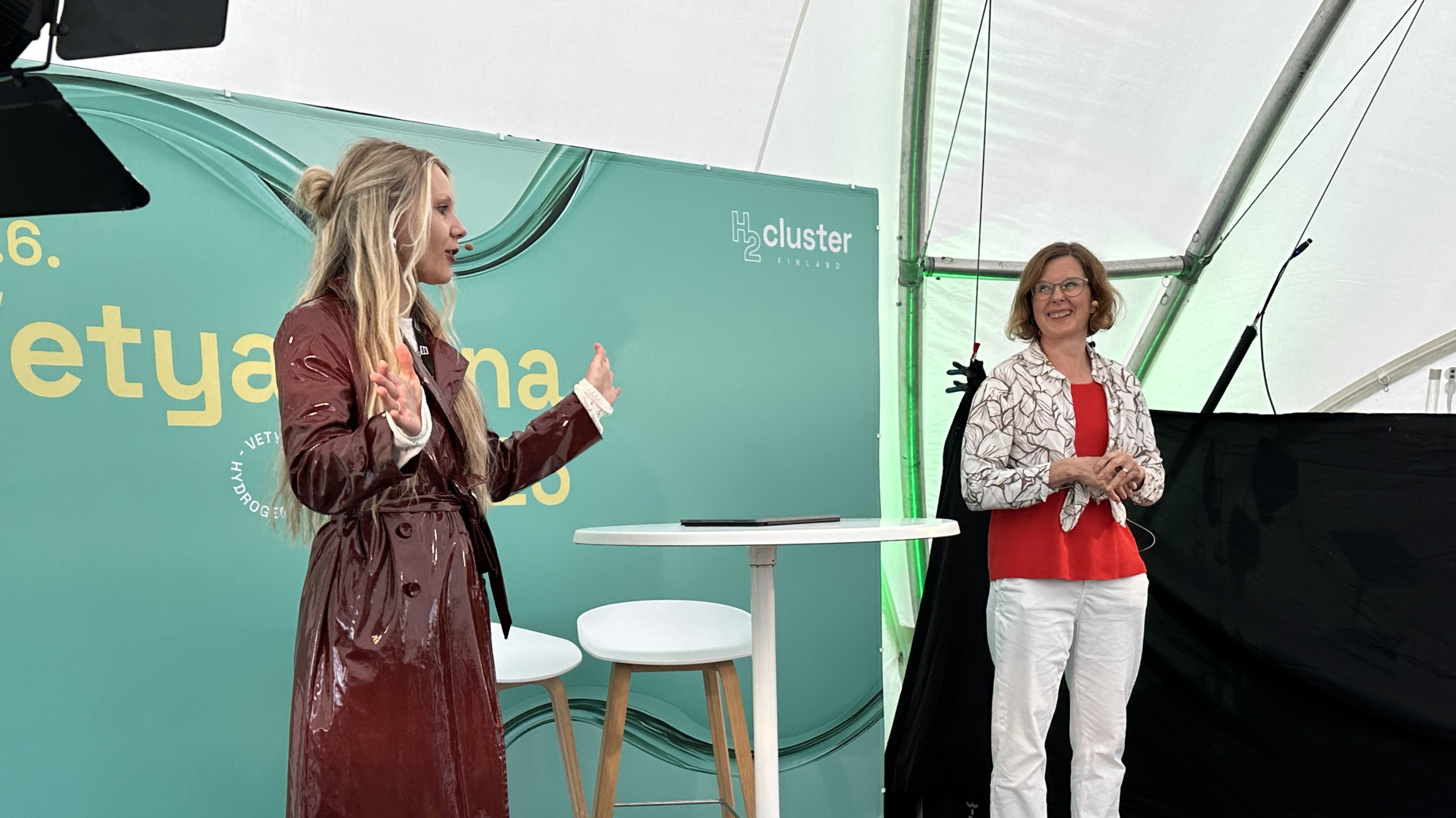
The current challenges of the hydrogen economy were also addressed from the perspective of social acceptance and fairness by Minna Näsman and Essi Laitinen (VTT/UEF) on June 25 at the Hydrogen Arena. In their presentation, they responded to thought-provoking questions from the field: Will Finland become the Congo of the hydrogen economy? Can a half planner promote seven green transition projects at the same time? Can doubling the willow tilt population be set as a planning principle for the hydrogen project? Is it Ren-Gas’s problem if the power line running through Kolpanlahti needs to be reinforced? Does the nurse on the municipal council know what T-kem means?

The discussion highlighted that the hydrogen transition is above all a social issue that requires local acceptance and a multi-perspective approach to solving real challenges. The hydrogen transition can progress where the interests of different parties can be reconciled.

The hydrogen economy from many perspectives

Throughout Wednesday, the Hydrogen Arena hosted a wide range of presentations on different aspects of the hydrogen transition. Discussion topics included for example the importance of political decision-making, the implementation of investments, the impacts of a transmission network, and the creation of security of supply, value chains, and expertise. Many parties expressed their hope that investments, expertise and legislation would move forward at the same pace and that political decision-making would be long-term, consistent and predictable. The importance of Nordic cooperation and the active role of local authorities and municipalities was also emphasized. It was repeatedly pointed out that cooperation is Finland’s superpower.

The overall message of the event was clear: the paths to the future are being built now, and a just transition to hydrogen requires extensive cooperation between governments, companies, investors, municipalities, research institutes, and citizens.

See more about the Hydrogen Arena in Taika Tikkanen’s blog post and video:


Collaborative problem solving tooling the sustainability transition – applications of mutual gains approach from the Netherlands and Finland

The Akordi team supported by our steering group, network partners and some of our alumni gathered to discuss how conflicts related to the green transition can be anticipated and resolved applying the mutual gains approach to negotiation and collaborative problem solving – and how these practices can be scaled up to the national level.

Social acceptability is an essential but often poorly understood and overlooked dimension of the green transition

Lasse Peltonen, Professor of environmental governance and conflict resolution (University of Eastern Finland), presented an overview of the situation in Finland regarding the acceptability of the green transition, as well as recent research findings on administrative court appeals against wind farms and the reasons behind them.

Social acceptability is not just a matter of opinions, but of decisions and actions that have concrete consequences and costs. Explanations and stereotypes that simplify local opposition should be discarded—they do not do justice to the complex realities.

People’s expectations of respectful interaction are often higher than the minimum levels required by legislation. Dissatisfaction with communication and interaction is widespread, and many people feel ignored on a daily basis. We need measures to strengthen acceptability at the level of individual projects and also broader policy-making. It is important to anticipate conflicts before they escalate.

There is much room for improvement in interaction, and the capacity of project initiators and municipalities in particular plays a key role. The quality of processes is crucial for the realization of a fair green transition, participation, and democracy.


Integrating the ambitions and interests of stakeholders asks for embracing complexity

Keynote speaker Marc Wesselink (WesselinkVanZijst, Netherlands) illustrated concrete principles of Strategic Stakeholder Engagement (SSE) and the Mutual Gains Approach.

Stakeholder engagement should focus on the continuity of cooperation between the organization and stakeholders in the future (Granted Future) rather than on individual project licenses (Licensed Future). Dialogue should be more based on trust building and less on risk management. The entire organization and its shareholders should work from one vision and one set of values to build a trustworthy relationship with society.

Integrating the goals and interests of stakeholders cannot be achieved by simplifying or limiting the group of participants, but requires embracing complexity and the courage to change the scope of the entire project if necessary. Preparation is crucial in stakeholder engagement, so early dialogue should be prioritized. The practices of strategic stakeholder engagement (SSE) should be embedded throughout the organization and its procedures and policies.

A good example of the strengths of this approach was the expansion of the Port of Rotterdam, where a controversial project was ultimately implemented months ahead of schedule and at a much lower budget than planned through strategic stakeholder engagement and applying the mutual gains approach.


After the presentations, we continued our discussion and brainstorming on how to scale these lessons into permanent practices in Finland. The discussion yielded some very good ideas for different forms of cooperation.

Thank you to all participants and our colleagues at WesselinkVanZijst for visiting us – we look forward to continuing our cooperation as we proceed in the work of scaling these practices in Finland over next year!


Recordings of the presentations: Lasse Peltonen & Marc Wesselink

Annual Report: better risk and conflict management in the green transition

Green transition projects often involve local tensions and potential for conflict. In Finland, Akordi is working with our extensive network of partners to develop conflict management capacity and proactive conflict management methods for green transition.

Conflicts show that there are values at stake that are so important that people are prepared to fight for them, writes CEO Jonna Kangasoja in the foreword to our annual report. More systematic local acceptance measures are needed to secure green transition investments. Otherwise, there is a risk that individual projects and the transition as a whole will be delayed.

Akordi proposes an establishment of a national resource centre in Finland, where municipalities, civil society actors and businesses could receive concrete help and support for early project interaction, building a shared knowledge base and risk assessment. We gave our statement to the Room for Growth project working group at the end of the year.

In 2024, we continued our earlier development work on anticipating and resolving conflicts in the green transition with the support of the TAH Foundation. We sparred project developers and authorities in green transition projects across Finland. We published a Playbook for project developers, which guides them step by step on how to anticipate conflicts and work successfully with stakeholders.

“Could this also be made available to international investors in English?”

Markku Kivistö, Business Finland’s Head of Industry, Cleantech, Invest in, at the launch of our Playbook on 7.11.2024

We organised the Green Transition Acceptability event together with TAH Foundation, Confederation of Finnish Industries, Climate Leadership Coalition, Greenpeace, the Finnish Association for Nature Conservation, and Kari & Pantsar in November.

At the end of the year, we received funding to launch strategic stakeholder engagement trainings for green transition project developers during 2025.

Cooperation with leading international actors in the field

In the US, experts Steve Greenwood and Kristen Wright from the Oregon National Policy Consensus Center (NPCC), part of our network, visited our open events in August 2024.

“It has been a wonderful partnership with Akordi over the past nine years.”

Steve Greenwood, National Policy Consensus Center expert at our event on 20 August 2024

In Europe, our closest partner is WesselinkVanZijst in the Netherlands, which hosted our June excursion with the steering group of our TAH Foundation funded project. In November, Hans van Zijst gave a keynote speech at a seminar on our project in Finland.

A social mission

Akordi is a forerunner in Finland offering and developing the professional role of a neutral party in environmental collaboration, conflict resolution, and public policy mediation. Our goal is to promote and develop collaborative, multi-sectoral approach in Finnish policymaking and decision-making and while doing it, create a wiser and more sustainable society. Our work has a strong research base.

In difficult situations, such as the Gulf of Bothnia nature conservation disputes, we mediate multiparty negotiations.

Det handlar om mer än etablerande av naturskyddsområdet. Det handlar också om konfliktlösning och bearbetande av myndighetsförakt.”

John Erickson, Ordförande för Världsarvsdelegationen för Kvarkens världsarv.

In 2024, we were involved in fifteen planning, policy and decision-making processes on natural resources and environmental change and published seven freely available publications.

We are a social enterprise. This means that we use our business to solve societal problems. We are a non-profit organisation. Akordi has the Social Enterprise label of the Finnish Work Association.

Read more about our last year: Akordi’s Annual Report (in Finnish).

Nordic Cooperation for a Just Transition to Hydrogen

Finland, Sweden, and Norway face similar challenges regarding land use conflicts and the social acceptability of large-scale hydrogen projects, as well as the new energy production and electricity distribution needs associated with them. These shared challenges are valuable to address and discuss collectively. At the Nordic Collaboration for EU Transition event during Hydrogen Week in Oulu on February 12, 2025, Nordic actors from various sectors gathered to exchange best practices and lessons learned to improve local acceptance of hydrogen as part of the climate transition. The discussion was based on the Hydrogen Impact Forums held in Finland, Sweden and Norway, where actors from different perspectives had the opportunity to discuss face-to-face the local impacts of hydrogen projects.

Akordi acts as the interaction manager of the JustH2Transit research consortium, which was one of the main organisers of the event. The concept of the Hydrogen Impact Forums has been developed within the project and Minna Näsman, Akordi’s Business Development Director, has facilitated all the Hydrogen Impact Forums in Finland.

Hydrogen Impact Forums in Three Countries Identify Challenges and Opportunities

Hydrogen Impact Forums were organized in February across Norway, Sweden, and Finland, bringing together stakeholders to discuss the local impacts of hydrogen projects. The discussions in each country shared many common points. One significant highlight was the need for further dialogue and cooperation. More interaction is required both within regions, among various groups, and between local and national levels, especially within the EU. Cross-country collaboration was seen as particularly important to enhance security of supply.

The role of municipalities in hydrogen-related initiatives was viewed as strong in all three countries. However, there is a need to strengthen the role of regions. Empowering regions with greater responsibility for vision and planning would help create more coherent solutions and ease the burden on municipalities, which currently have large, distributed responsibilities within their borders.

Several northern regions are currently facing challenges from rapid demographic changes, which are becoming problematic not only for these regions but also for nations and NATO: without a population, there is no security. The situation is compounded by the fact that decisions enabling regional and municipal development are often made far away, in capital cities.

Country-Specific Challenges Revealed through Comparison

In Sweden, there was a strong focus on ensuring that economic value remains local. Local energy companies, for example, requested to have control over who should have priority access to electricity from a broader perspective. It was considered socially unacceptable if the transition led to rising electricity prices or if hydrogen produced from local wind power was exported abroad (e.g., to Germany) without processing. The hydrogen pipeline was identified as an area where more knowledge, development, and information dissemination are needed, especially concerning risks and safety.


The Norwegian Hydrogen Impact Forum emphasized the role of the Sami as part of northern Norway’s cultural heritage. It was highlighted that northern Norway’s wilderness is an integral part of people’s culture, identity, and way of life, even before any wind turbines or hydrogen plants are built. At the same time, the two main challenges for northern Norway are climate change and negative population growth. Existing businesses need to reduce emissions, and there is a pressing need for investment in new activities to stop the population decline. The key to success lies in ensuring that hydrogen projects and other investments actually contribute to building communities in northern Norway and provide sufficient value to municipalities and local businesses. These connections must be clearly communicated to the public.

In Finland, the Hydrogen Impact Forum in Oulu engaged in lively discussions about the climate benefits and biodiversity damage that any construction inevitably brings. The fairness debate also included wildlife, such as the once-common but now endangered willow tit. It was concluded that hydrogen’s potential could be realized while doubling the willow tit population if planning objectives included ecological compensation, such as replacing land areas with scientifically assured natural values.

Key conclusions include the importance of a common knowledge base to facilitate interaction and cooperation between stakeholders. Regional self-governance would motivate municipalities and cities to plan and identify their own position, goals, and roadmap within the hydrogen value chain.

In summary, the discussions in the three countries indicated that hydrogen projects, if planned with the needs of local communities in mind, can be successful. This can happen if space is created to discuss and agree on projects, if economic benefits stay local, and if local residents have easy access to project information. A crucial requirement is to strengthen regional planning and protect areas for both people and nature to ensure that overexploitation doesn’t occur.

Hydrogen Companies Address Challenges through Project Development

The main outcomes from the Hydrogen Impact Forums were presented at the Nordic Collaboration for EU Transition event in Oulu. The key challenges were addressed by business panels with representatives from various energy companies, including Fortum, Troms Kraft, Vattenfall, Gasgrid, Fingrid, Nordion Energi, Equinor, Liquid Wind, and Oulun Energi. These discussions focused on smooth consultation processes, building local sustainable infrastructure, equity, and local impact.

Representatives from companies emphasized that they are planning hydrogen projects while considering the rights of indigenous peoples in all three countries. They also stressed that cooperation with all stakeholders is crucial in order to respond swiftly to the common issue of climate change, while ensuring a just transition.

The importance of trust and transparency was highlighted by business representatives and the audience. Building trust between two or a few parties at a small negotiation table is relatively easy, but extending that trust to larger communities and regions is more challenging. While small-scale negotiations have a role early on, trust is ultimately built locally through an open and transparent process, which requires time and presence in the region.

Business stakeholders also agreed on the importance of creating local value in the form of social capital. They identified various ways in which projects and their value chains could benefit local communities, such as through training, jobs, services, and circular economy practices.

Decision-Makers Identify Alignment of Interests as Key

After the business panels, the challenges were picked up by political governance representatives: Filip Vestling, Deputy Director at the Energy Unit of the Swedish Ministry of Climate and Business; Kjell Giæver, Director of Arctic Energy Partners in Norway; and Timo Ritonummi, Deputy Director General at the Finnish Ministry of Employment and the Economy. They discussed the challenges of developing hydrogen projects in a political landscape where energy and industry compete for resources, including security concerns.

The panelists emphasized the need for international investment, new infrastructure, and Nordic cooperation. They also noted that part of the solution is ensuring that citizens feel included in the transition, rather than being left behind. However, reconciling interests was recognized as a challenge, as every policy decision tends to create resistance from one group. Nonetheless, the panel highlighted the need for policymakers to make tough decisions, pointing out that “you can’t make an omelette without breaking eggs.” If unpopular decisions are not made, the region risks missing out on vital investments.

In other words, the task is difficult, and the stakes are high. Further cooperation is simply needed to tackle the challenges.

Next Steps

At the end of the event, it became clear that Nordic cooperation to ensure the benefits and acceptance of hydrogen projects cannot stop there. A draft action plan was already being prepared in response to the political panel’s conclusion about the importance of reconciling various interests.

One audience member summed up the upcoming cooperation by suggesting: “Why just strive for acceptance—why not ensure that hydrogen projects are actually desired by northern communities?”

In February 2025, the Hydrogen Impact Forum in Finland was organized by the JustH2Transit project, funded by the Strategic Research Council (SRC) established within the Research Council of Finland. In Norway, the event was organized by Energi i Nord. In Sweden, the Centre for Hydrogen Energy Systems Sweden (CH2ESS) at Luleå University of Technology hosted the event as part of the H2SIPP – Hydrogen Safety and Improved Permit Processes project, funded by Nordic Energy Research. The Nordic Collaboration for EU Transition event was organized in cooperation with Business Oulu, BotH2nia, and the projects Oulu GH2 (co-funded by the European Union) and BalticSeaH2 (co-funded by the European Union under Grant Agreement 101112047).​​​​

Akordi’s New Year’s Resolution

At the start of the year, it’s common to think about priorities so that it’s easier to focus on those things you really want to spend your limited time on. At Akordi we have chosen the key themes we want to focus on this year.

Green Transition projects are among the biggest opportunities for economic growth in Finland. At the same time, it is already clear that some degree of tensions and conflicts will accompany the sustainability transition. Conflicts translate into direct and indirect costs on projects, developers and stakeholders. The most obvious costs are project delays or cancellations, projects having to be redesigned, reintroduced into decision-making, etc. To local communities the negative impacts of projects are very significant ‘costs’, although they are more difficult to measure. To be successful, projects need to take into account and minimize project risks. Not gaining acceptability from the local community should be understood as a major risk.

Learning from international examples

In many countries, the state has systematically invested in supporting the process side of green transition projects, thus reducing risks: in Denmark, a mobile team of renewable energy experts helps municipalities manage the risks of renewable energy projects. A ‘travel team’ was established in 2022 in cooperation between three ministries under the National Climate Agreement.

In the US, the Department of Energy’s Loan Programs Office (LPO) provides loans for energy transition projects with a mandate of around $400 billion. The unit aims to ensure the success of projects by emphasising project risk management. Success depends on early and effective dialogue and local community buy-in.

In these international examples, local acceptance is seen as one of the keys to project success, and local dialogue is understood as an important part of project risk mitigation.

From consultations to partnerships

We need better processes in Finland. Local needs and realities have to be the starting point of project development. Partnership emerges out of having an actual say and being listened to.

Partnership-type of arrangements can be supported by principles and tools of collaborative governance. Partherships can also take the form of contracting, which involves local negotiation on how to share the benefits and disadvantages of a project (see the news on Juha Kotilainen’s PhD thesis).

New kinds of processes require new kinds of expertise. Also, the use of specialised process facilitators and mediators can make a big difference.

Putting more effort into early stages of project development makes it possible to address problems and controversial issues before they lead to complaints and conflicts escalate.

Akordi’s resolution for 2025 is to keep our eyes and ears open, so that we can help create connections where they are missing, and to make space for fresh thinking which is needed for crafting feasible solutions to the challenges ahead.


Jonna Kangasoja

Chief Executive Officer of Akordi

Dissertation: Local Community Benefit Agreements would bring multiple benefits to mineral management

Juha Kotilainen, an expert and associate in Akordi, was awarded a PhD from the University of Eastern Finland on 22 November 2024. The title of his dissertation is “Emerging forms of collaborative mineral governance – Analyzing preconditions for community benefit argeements in Finland”.

In his dissertation, Juha Kotilainen examines the possibilities and conditions of Community Benefit Agreements in Finnish mineral management.

“A Community Benefit Agreement is a locally negotiated arrangement designed to increase the local benefits of mining and mitigate its negative impacts through intensive collaboration and shared commitments.”

Community Benefit Ageements have not been tried in Finland before. However, interest in them has grown.

The needs in the green transition challenges the management of minerals at the local level, where the impacts of mining become tangible. For example, the recent regulation on critical raw materials aims to strengthen the European Union’s self-sufficiency in minerals. This will increase the pressure for new mines in Finland too.

At the same time, criticism towards the mining sector is growing. Local communities are interested in how the natural resources in their immediate environment are exploited and how the benefits and impacts are divided. Intersecting needs call for new tools at the local level to better reconcile different interests.

Better understanding and collaboration through a Community Benefit Agreement

The study shows that a Community Benefit Agreement enables collaboration in areas such as economic activities, reducing negative environmental impacts and building trust between local actors.

“In the Sodankylä case study, the municipality, mining companies and local stakeholders identified concrete measures in the Community Benefit Agreement that served individual and shared needs. Such a measure was, for example, collaborative water impact monitoring.”

Collaborative water impact monitoring can help build a better understanding of the overall impact of mines on their environment. The idea that emerged during the dissertation research was piloted in 2023 in Sodankylä and has been included in the municipality’s upcoming mining program.
In particular, Community Benefit Agreements can address challenges that are difficult to address through regulatory instruments. In Sodankylä, for example, there is a need for a forum that would bring together the major mining projects in the region and provide a shared platform for high quality interaction and a more holistic perspective on the cumulative impacts of mining activities.

On the other hand, the study suggests that a voluntarily negotiated Community Benefit Agreement does not seem to be suitable in Finland for serving one-sided economic interests similar to a mining tax. The voluntary introduction of Community Benefit Agreements may also be hampered by unclear incentives for mining companies and the lack of institutional support for such agreements at present.

The results are applicable to industrial projects in the green transition

Juha Kotilainen’s study analyses how the Community Benefit Agreement applies to local, Finnish and, to some extent, Nordic mining context. The dissertation provides a basis for the content and application of Community Benefit Agreements and a benchmark for future evaluation of the model. The study comprehensively describes the challenges, needs and realities of local mineral governance today.

“The results of this dissertation can be applied to the mining sector and other sectors where there is a similar need for locally negotiated preconditions. For example, in large industrial projects of the green transition, such as wind power and battery factories, division of benefits and impacts as well as interaction are key questions.”

Key research methods and data

In the first part of Juha Kotilainen’s dissertation, the idea of a Community Benefit Agreement was developed in action research taking place in Sodankylä in 2018 – 2021 together with representatives of the municipality and the local community. The second part of the study is based on a conceptual analysis, in which the concepts of collaborative governance and Community Benefit Agreement are discussed and adapted to the Finnish societal context.

The study involves interdisciplinary collaboration and combines several methods, such as analysis of interviews and observational data, collective reflection, function analysis and legal dogmatics. The majority of the dissertation research has been carried out as part of the CORE project (2017 – 2022) funded by the Strategic Research Council, which examined the potential of collaborative governance in Finnish environmental planning and decision-making on a broad scale.

The dissertation Emerging forms of collaborative mineral governance – Analysing preconditions for community benefit arrangements in Finland was examined at the Faculty of Social Sciences and Business Administration, Joensuu campus.

Download Juha Kotilainen’s Dissertation.

Event on 7.11.2024: Green transition will not be accepted at any cost

The local opposition to the green transition is not just about fear, but about the real impact of the projects on nature and on local residents and businesses. There may be values at stake that are so important that people are prepared to fight for them.

Event on the acceptability of the Green Transition, organized in Helsinki 7.11.2024, looked at the implementation of the green transition in Finland. Opening the event, Antti Herlin, Chairman of the Board of the TAH Foundation, stressed the key importance of acceptability in promoting the green transition and seizing its opportunities in Finland.

“It is important to discuss both stumbling blocks and solutions to strengthen acceptability in Finnish society and locally at project level.”

Antti Herlin, Chairman of the Board, TAH Foundation

Among the speakers, Professor Lasse Peltonen, the Chairman of the Board and one of the founders of Akordi, drew attention to the costs of conflict.

“The costs of delaying a project include running costs, lost revenue opportunities, lawsuits, fines, increased cost of financing and loss of confidence. So acceptability itself is a major factor in green transition projects. However, this is often not factored into the risks and challenges.”

Lasse Peltonen, Chairman of the Board, Akordi

Ministeri KaiMinister of the Environment and Climate Kai Mykkänen stressed the huge importance of the green transition for Finland’s economy. The Minister outlined the reform of the licensing administration in line with the one-stop-shop principle and highlighted the Government Programme’s aim to increase the obligations for wind power to improve social acceptability.

Other perspectives on the local acceptability of the transition were offered by project operators and politicians who participated in the panel discussions.

Hans van Zijst from WesselinkVanZijst, a Dutch partner of Akordi, stressed the importance of strategic stakeholder cooperation. According to him, the license to operate granted by law is not sufficient for sustainable growth. Strategic Stakeholder Engagement works towards the license to grow, granted by stakeholders.

“Non-technical, i.e. political and stakeholder-related, reasons account for the majority of industrial investment failures.”

Hans van Zijst, Senior Consultant at WesselinkVanZijst

Akordin toimitusjohtaja Jonna Kangasoja puhumassa Vihreän siirtymän hyväksyttävyys -tilaisuudessa 7.11.2024At the event, Jonna Kangasoja, CEO of Akordi, published a playbook to support actors in the green transition. To harness the growth potential of the green transition, new skills are needed to manage its local impacts. Akord has a decade of experience in conflict prevention in Finland. By carefully defining the issues to be addressed, acceptable solutions can be formulated. Solutions serve everyone, but they require cooperation between many.

“It is at the local level that we need to learn about conflict resolution methods. Project actors need proactive rules of the game and a checklist of methods to strengthen acceptability. The Green Transition Playbook will help actors reconcile the needs of local communities with environmental values.”

Jonna Kangasoja, CEO of Akordi

The event was held in Helsinki on 7.11.2024. It was organised by the TAH Foundation, the Confederation of Finnish Industries, the Climate Leadership Coalition, Greenpeace, the Finnish League for Nature Conservation and Akordi.

Download Akordi’s playbook for green transition actors (in Finnish).

Akordi mapped disputes over the steel plant in Inkoo and paved the way for a constructive dialogue.

The planning of the steel factory has generated disagreements and concerns in the municipality of Inkoo. Akordi produced a situation report for the municipality. Next the municipality aims to strengthen the dialogue.

For the mapping, Akordi interviewed Inkoo municipal decision-makers, municipal officials, companies operating in the Joddböle area and Inkoo residents who had organised to oppose the steel mill. We discussed the situation that emerged from the mapping exercise and proposed measures among the interviewees.

Discussion with interviewees

Participants expected the event to allow them to have a substantive discussion, during which each on of them could feel that he or she was entitled to his or her own opinion. Many expressed that they were there to hear the reasoning behind different opinions and to better understand where they were coming from. The event for interviewees was held in 3.9.2024.

Based on the feedback we received, expectations were met. The discussion was perceived as constructive and respectful. Important issues were discussed without the atmosphere of the discussion becoming negative. Also new ideas and perspectives came to the fore.

Recommendations for organising cooperation

Our recommendations emphasise the importance of strengthening the shared knowledge base. It is not enough simply to increase knowledge: the reliability and comprehensibility of information must also be improved. On the basis of the interviews, we propose a municipal impact assessment, monitoring of noise and air quality on a collaborative basis and improving the reliability of the assessment data.

We also encourage dialogue on what kind of Inkoo people want and how the steel mill plans help or hinder this, as well as on how to ensure that Inkoo people can react in case of deviations in the steel mill’s operations.

The work was funded by the Uusimaa Regional Council and the TAH Foundation.


Read more: Situation assessment of the land use disputes over Joddböle area

Our report (in Finnish): Tilannekuva Joddbölen maankäyttöön liittyvistä erimielisyyksistä

Inkoo news 2.10.2024 (in Finnish): Tilannekartoitus pohjusti rakentavaa vuoropuhelua Joddbölen alueen kehittämisessä

Comment: Henrik Wickström’s speech on the role of Elected Officers in Akordi’s event 20.8.2024

What is it like to deal with a large-scale green transition project in a small town, when the project is relevant both locally and for the whole of Finland?

Local residents are hungry for information, and the company wants to move quickly. The municipality, on the other hand, is responsible for the land use planning. Local elected officials have to balance the interests of the municipality with those of national importance. The keys to conflict prevention are communication and interaction.


“Nationally, we need to talk much more about making green transition projects fair from a local perspective. Municipalities can bring different players together and discuss solutions.”

Henrik Wickström, Member of Parliament and Chairman of the Municipal Council of Inkoo


See Henrik Wickström’s videospeech in the recording. The video is in Finnish.

Wickström’s speach is a comment on the presentation “Elected Officials as Conveners, the Oregon Model” by Steve Greenwood, expert at the National Policy Consensus Center at Akordi’s event on 20.8.2024. You’ll find the recording of the whole event on our webpages.

Recording: Elected Officials as Conveners – The Oregon Model 20.8.2024

Solving public problems often requires the bringing together of representatives from a range of interest groups, businesses, and governmental agencies. Who ‘convenes’ the various stakeholders, and how they do it can make the difference between failure and success.

The National Policy Consensus Center in Oregon (USA) has extensive experience in working with leaders as conveners, and will outline the keys to success in the selection and performance of this critical role in any collaborative effort.

Steve Greenwood, an expert from the National Policy Consensus Center (NPCC), is visiting Akordi in Finland. He will share practical examples of how elected decision-makers have found a new role as conveners and enablers of cooperation to find solutions.

Comment Henrik Wickström, Member of Parliament, Chairman of the municipal executive board of Inkoo.

Watch the recording of the event.

The event is part of Akordi X Puistokatu4 webinar series.


Steve Greenwood NPCC

Steve Greenwood has over 30 years of public service experience at the federal, state, and local level, most recently as Regional Administrator for the Oregon Department of Environmental Quality. Steve has led collaborative processes on Oregon’s urban-rural divide, water conflicts in Oregon, Columbia River sediment management, and much more. 

He teaches collaborative governance seminars internationally and co-founded and teaches a graduate certificate in collaborative governance. Steve received an Outstanding Alumnus Award from the University of Oregon. He has a master’s degree in public administration from Harvard University. Steve is co-author of Collaborative Governance: Principles, Process and Practical Tools (2021, Taylor & Francis).

Learning from the Netherlands

In June, Akordi and its steering group visited the Netherlands to see how the green transition projects are being implemented. Participants in the tour were Henna Hakkarainen, Executive Director of the TAH Foundation, which funds Akordi’s development work on proactive solutions to green transition conflicts, Johanna Kentala-Lehtonen, Secretary General of the Sustainability Panel, Touko Sipiläinen, Country Director of Greenpeace, Teppo Säkkinen, Energy and Climate Specialist at the Chamber of Commerce, and Taru Tujunen, Communications Specialist. From Akord’s own team, Jonna Kangasoja, Lasse Peltonen, Minna Näsman and Emma Luoma participated.

When it comes to offshore wind power, the Netherlands is a decade ahead of Finland. René Moor (Ministry of Economic Affairs and Climate Policy) presented the development of offshore wind power in the Netherlands. The key message to Finland was a strongly coordinated roadmap, where the steps for offshore wind development and siting are clear to all. The government’s own body will provide the best possible and comprehensive survey of project development sites, which will be available to all project operators when making bids. In this way, high quality surveys are carried out – only once.

Learnings on ecological compensation

The visit also provided an opportunity to learn about the monitoring of the ecological compensation scheme implemented as part of the extension of the Port of Rotterdam (Maasvlakte 2). The implementation of nature compensation has an impact on fishing areas in particular and negotiations have been difficult. The case was presented in a workshop, where the main negotiator for the nature organisation, a representative of the port of Rotterdam, and the Dutch partner of Akordi, WesselinkvanZijst, who acted as mediator and led the negotiations for both the port extension and the monitoring of the nature compensation, explained the steps in the process. WesselinkvanZijst’s approach to strategic stakeholder cooperation is one of the best practices that can be learned from in Finland.

Inspiring international examples

As part of the excursion, Akordi’s steering group also used the workshop to concretise how, in the coming years, Akordi’s procedures based on staged negotiation between the parties and professionally conducted stakeholder work will be scaled up in Finland. David Fairman (Consensus Building Institute, USA), Marc Wesselink and Mart Scheepers (WesselinkvanZijst) supported and sparred the workshop. Based on international examples and the experience already gained in Finland, it is evident that new methodological approaches are needed in transition management to strengthen joint problem-solving and to support decision-making at local, regional and national level.

International examples play a key role in the project “Anticipating and resolving conflicts in the green transition”, funded by the TAH Foundation. Other priorities include skills development and the piloting and dissemination of models based on shared problem-solving. The project is currently working on guides for green transition project developers and municipalities to support transition management.

Stay tuned!

Webinar recording: How to consider and compensate for the natural and social impacts of energy projects?

The growth of wind power has increased the need to understand the ecological impacts of energy projects and their effects on local communities and businesses. How to manage and compensate for the adverse impacts of projects is therefore a key question for the acceptability of energy transition. In Akordi’s webinar, ecologist and PhD researcher Hanna Paulomäki presents ways identified in the literature to identify and compensate for the negative impacts of various projects on nature and wildlife, as well as the social impacts.

The review is part of a project funded by the Tiina and Antti Herlin Foundation, in which Akordi is building methods for anticipating and resolving conflicts in the green transition in Finland.

Publication in Finnish: Paulomäki, Hanna (2024). Katsaus energiahankkeiden ekologisten ja sosiaalisten haittojen kompensointiin. Akordi Oy julkaisuja.

Webinar slides in Finnish: Hanna Paulomäki_kalvot 5.6.2024

Watch the webinar in Finnish.

Hanna Paulomäki is an ecologist and PhD researcher at LUT University. Her PhD thesis deals with the socio-ecological impacts of renewable energy land use. She is also currently finalising a textbook for energy engineers on renewable energy and planetary boundaries together with Professor Mika Järvinen at Aalto University. In addition, Hanna is an advisor to Akordi.

Recording: The speed of the Green Transition may be stalled by environmental conflicts, 19.3.2024

Reducing environmental regulation does not automatically streamline permitting processes, but can have the opposite effect. This is the conclusion of a legal study commissioned by Akordi.

A number of legislative reforms based on the government’s programme are currently being introduced to speed up the passage of green transition projects. Deregulation without a comprehensive assessment could lead to growing environmental and acceptability problems. In addition, permit decisions may increasingly be overturned in appeal procedures.

For example, the proposed exemption from planning obligations in the Building Act would reduce the regulatory burden at the initial stage, but projects exempted from planning would be more likely to fall through the appeals process.

“Measures to speed up the procedures should therefore be chosen so that conflicts and appeals in the later stages of the procedures do not create further delays and problems for projects,” says Ismo Pölönen, Professor of Environmental Law, who carried out the study.

The report stresses the need for a critical reassessment of environmental laws and basic administrative solutions.

Permitting can be made both faster and more acceptable

Environmental procedures in Finland are fragmented and lengthy. Although EU law has made environmental legislation more complex, the roots of fragmented environmental governance and the potential for remedies lie in national regulatory choices, according to the study.

“It is possible to speed up environmental procedures substantially without compromising environmental protection and acceptability. This can be achieved by merging successive procedures and centralising the tasks of environmental management authorities. At the same time, the conditions for permitting projects should be tightened, especially in sensitive areas,” Pölönen says.

At the same time, proactive procedures can be streamlined by increasing and developing collaborative monitoring during the project implementation phase. This will not slow down projects, but strengthen the sustainability and acceptability of the transition.

The study has been carried out as part of a project funded by the Tiina and Antti Herlin Foundation, in which Akordi is building conflict anticipation methods for the green transition in Finland.

Contact

  • Ismo Pölönen, Professor of Environmental Law, University of Eastern Finland, tel. 040-5946024, ismo.polonen@uef.fi
  • Jonna Kangasoja, Chief Excecutive Officer, Akordi Oy, tel. 050-4412863 jonna@akordi.fi


In Finnish